What's New on STW
We add new printable worksheets, games, and teaching tools all the time! This page highlights some of our most recent additions to the site.
1,551 new files added over the past 365 days.

(added September 17, 2026)
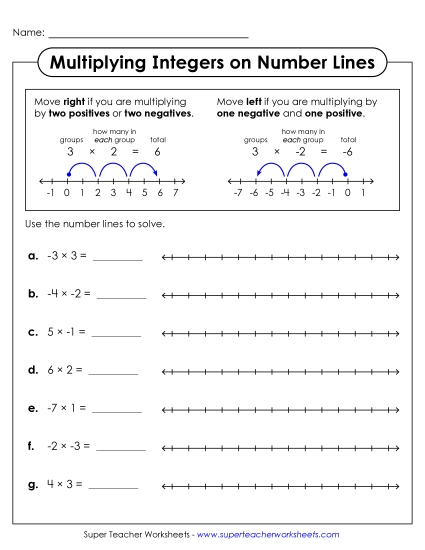
Use number lines to help students practice multiplying positive and negative integers. An explanation and example is included at the top of the worksheet.


Filing Cabinet
Logged in members can use the Super Teacher Worksheets filing cabinet to save their favorite worksheets.
Quickly access your most used files AND your custom generated worksheets!
Please login to your account or become a member and join our community today to utilize this helpful feature.

(added September 17, 2026)
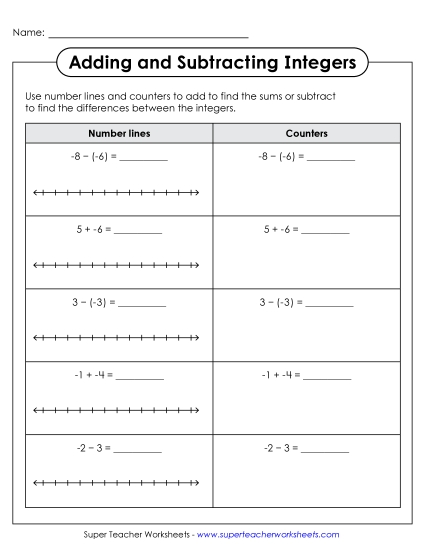
Use both number lines and counters to find the sums and differences of the integers shown on this printout.
(added September 17, 2026)
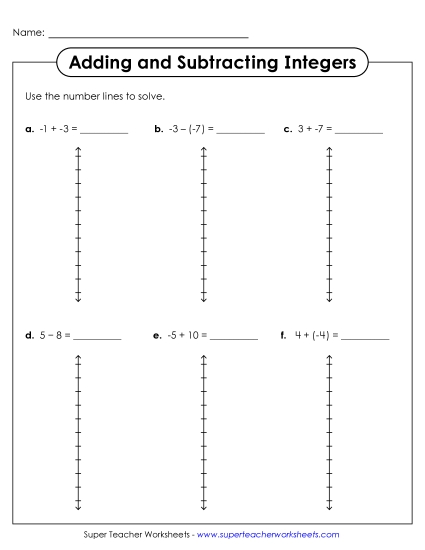
Use vertical number lines to solve expressions involving adding and subtracting positive and negative integers.
(added September 17, 2026)
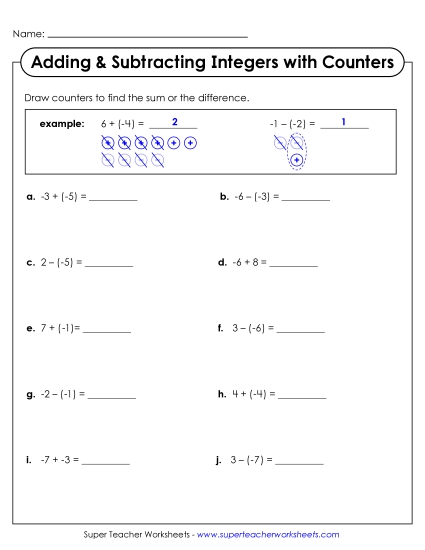
With this worksheet, students can practice adding and subtracting integers with counters. An example at the top of the page can help them understand the process.


(added September 17, 2026)
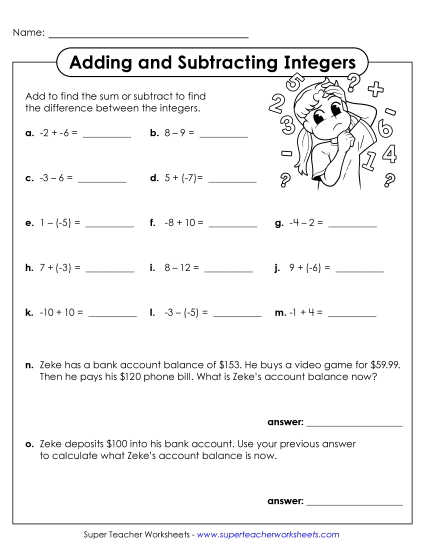
Practice adding and subtracting positive and negative integers with this worksheet. Two word problems are included in addition to the drill-style questions.
(added September 15, 2026)
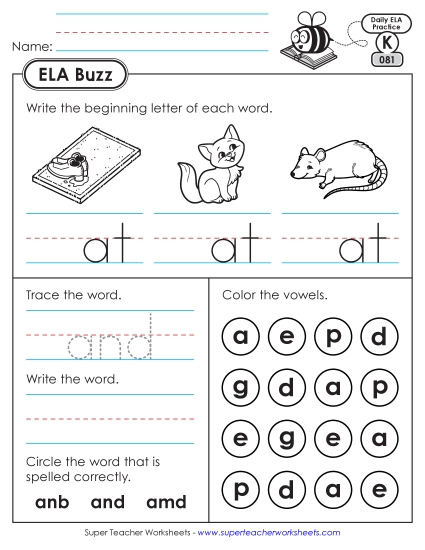
Work on initial consonant sounds, final consonant sounds, identifying vowels, writing question marks, and distinguishing between basic prepositions on and under in your weekly ELA review packet.
(added September 11, 2026)
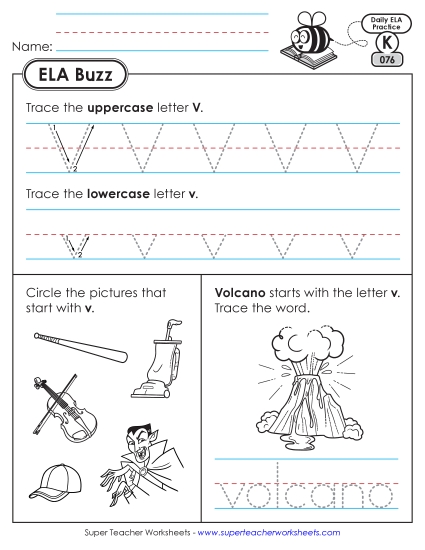
Students will practice letters from the end of the alphabet this week: circling pictures that begin with the /v/ sound, tracing words and sentences that use the letter y, practicing uppercase and lowercase x, and other ELA skills.
(added September 11, 2026)
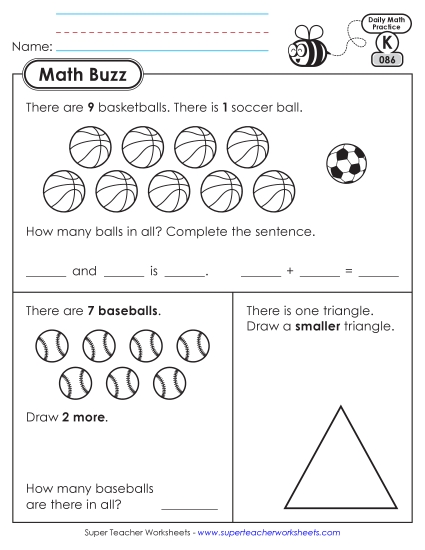
Students will count two groups to find how many in all, trace numerals and number words up to 15, identify and draw shapes, tell which number comes next when counting, and more in this week's daily math review.
(added September 11, 2026)
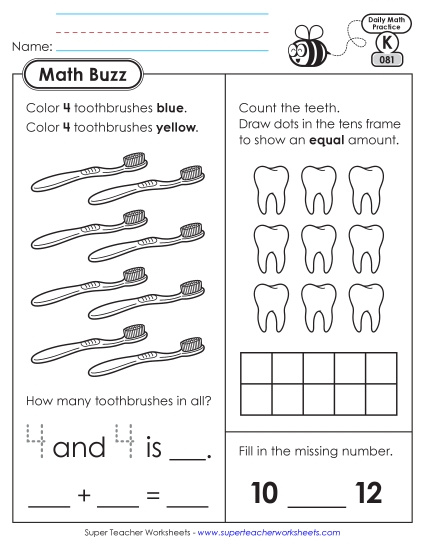
Fill in missing numbers in a count-by-ones sequence, add within 10, count to fourteen, identify equal ("same") quantities, and more.
(added September 11, 2026)
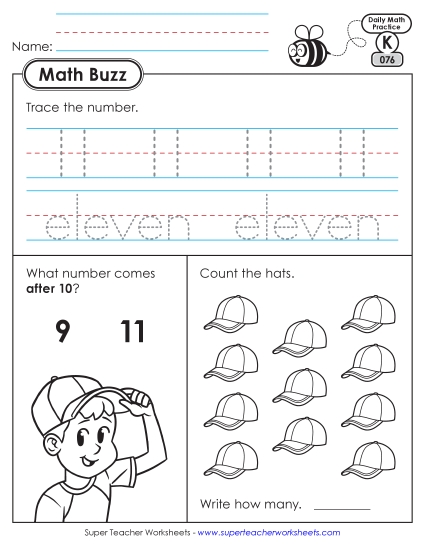
In Week 16 of daily math practice, students will start working with numbers greater than 10. They will also identify smaller and bigger groups, find the next number in a sequence, and complete number sentences.

Have you seen the Super Teacher Blog? We post fun, new teaching ideas every month.
Be sure to check it out. Go To STW's Blog
(added September 8, 2026)
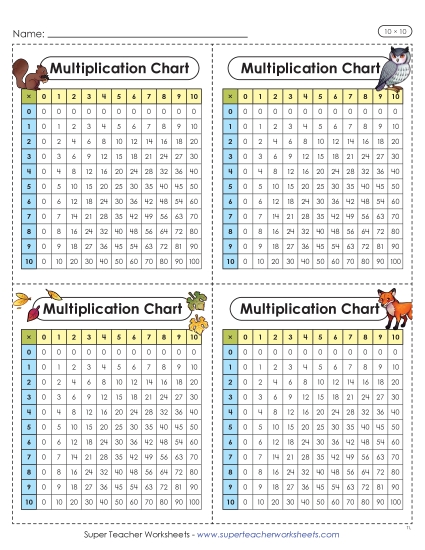
With miniature multiplication charts like these, your students will have their 10 x 10 times table facts memorized before you know it! A fox, owl, squirrel, or collection of leaves help personalize each small multiplication chart.
(added September 8, 2026)
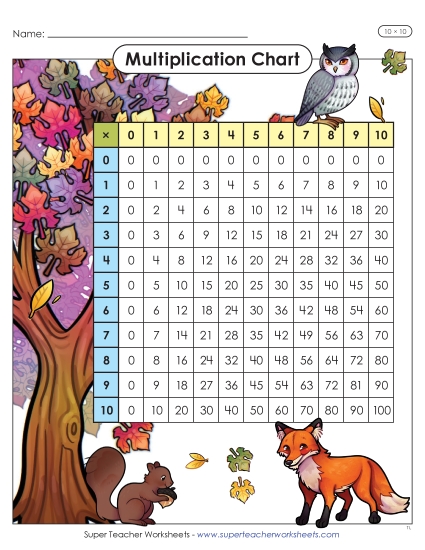
Why not make mastering times tables through 10 a little more fun with this seasonal multiplication chart? The bright leaves and animals will have students eager to check their multiplication facts during lessons.
(added September 8, 2026)
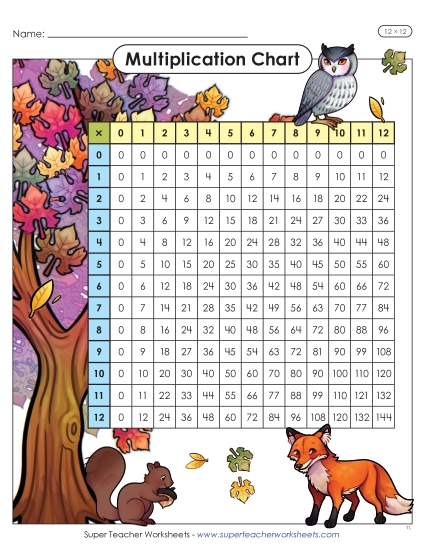
Woodland creatures and colorful leaves make this 12 x 12 multiplication chart a fun addition to any math notebook or math learning station during the fall season.
(added September 8, 2026)
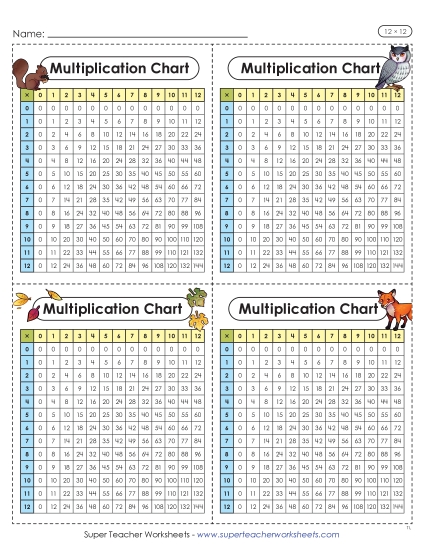
These standard 12 by 12 multiplication charts are sized to print 4 on each page. A squirrel, fox, owl, or autumn leave provide a bit of visual engagement to each tiny reference table.
(added September 8, 2026)
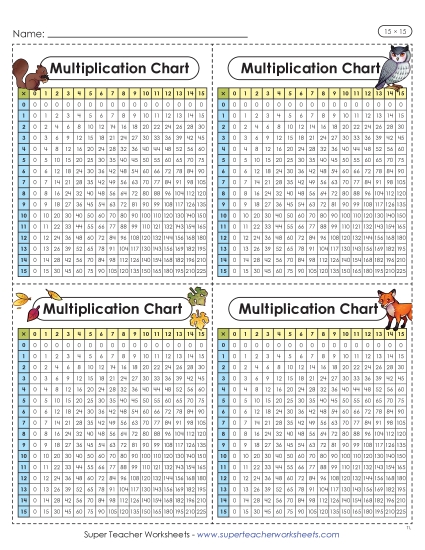
Products through 225 are neatly packed into this colorful, small multiplication chart, ideal for practicing math facts on the go or taping to a corner of the desk for quick reference.
(added September 8, 2026)
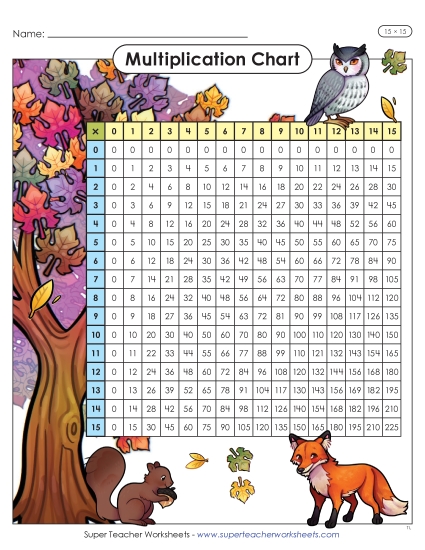
Celebrate the changing seasons with this fall multiplication chart. An owl perches over factors 11, 12, and 13, helping students quickly find products resulting from larger factors.
(added September 8, 2026)
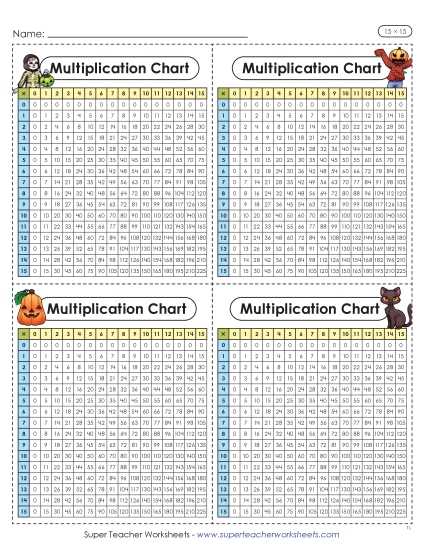
Students will love these mini times tables. Each 15 by 15 table is decorated with an image appropriate to the spookiest holiday of the year, including a child in a skeleton costume and an adorable black cat.
(added September 8, 2026)
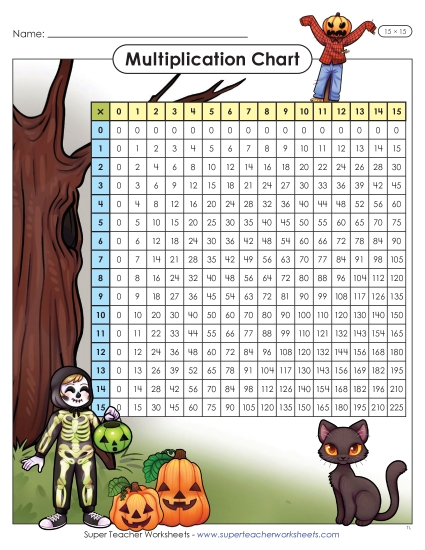
Even if your students have memorized their "12 x 12" multiplication facts, factors 13, 14, and 15 are trickier. This convenient holiday-themed reference sheet will help them solve those problems faster.
(added September 8, 2026)
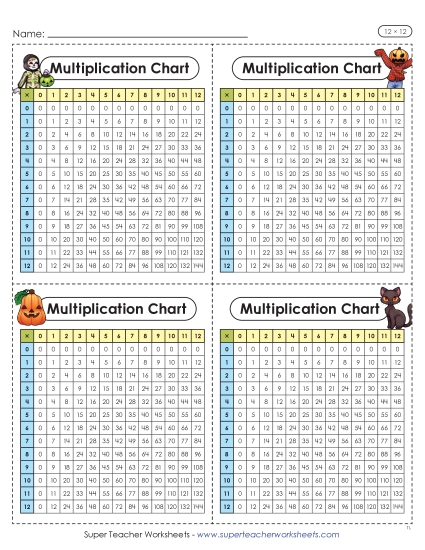
For a convenient reference on products from factors 0 through 12, print off these tiny times tables. Fonts are easy to read even at a reduced size.
(added September 8, 2026)
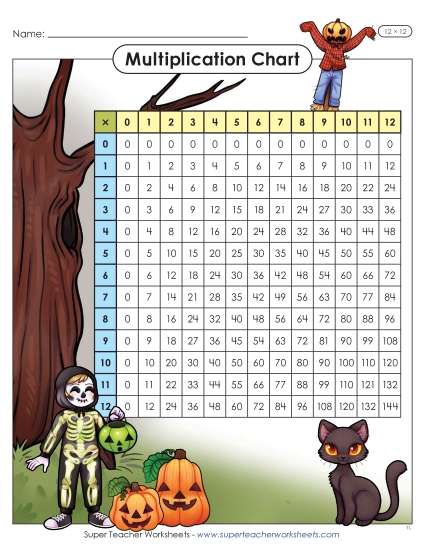
Featuring a trick-or-treater, spooky scarecrow, jack-o-lanterns, and a black cat, this full-size 12 x 12 multiplication chart will be a welcome addition to any math lesson during the Halloween season!
(added September 8, 2026)
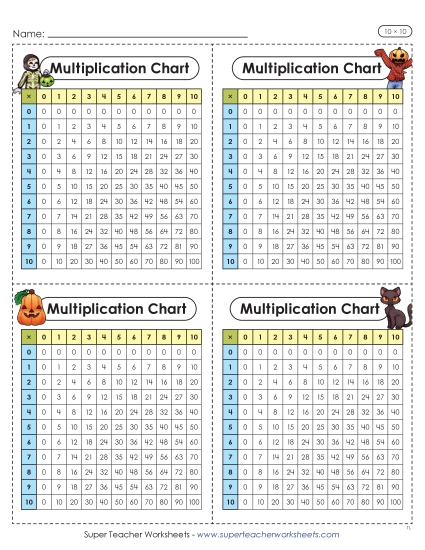
Master your single-digit multiplication facts and multiplication by 10 with this small print tables, already sized to print four to a page.
(added September 8, 2026)
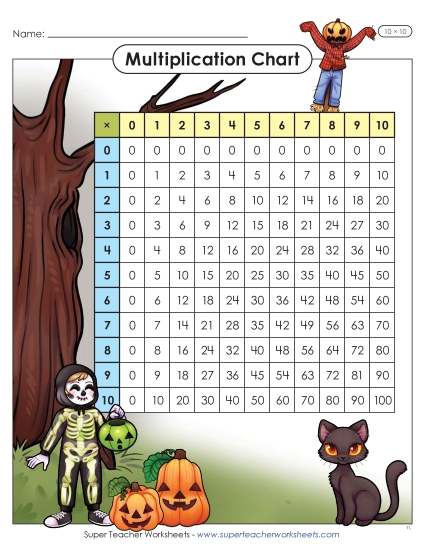
It's time to get spooky! Add a bit of holiday fun to your math lessons by using this themed 10 x 10 multiplication chart.
¿Habla español?
Many of our worksheets have been translated into Spanish! Click the button below worksheet descriptions to view our Spanish translations. Learn more.
Many of our worksheets have been translated into Spanish! Click the
button below worksheet descriptions to view our Spanish translations. Learn more.(added September 8, 2026)
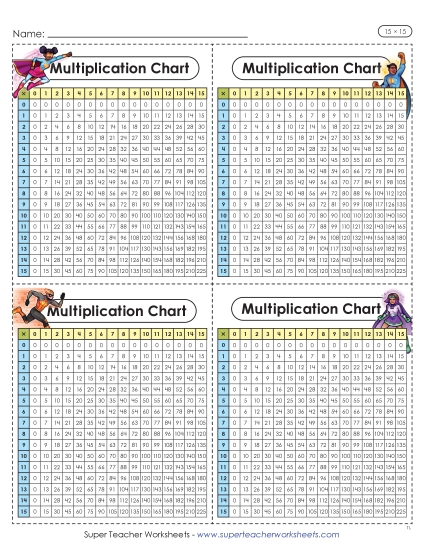
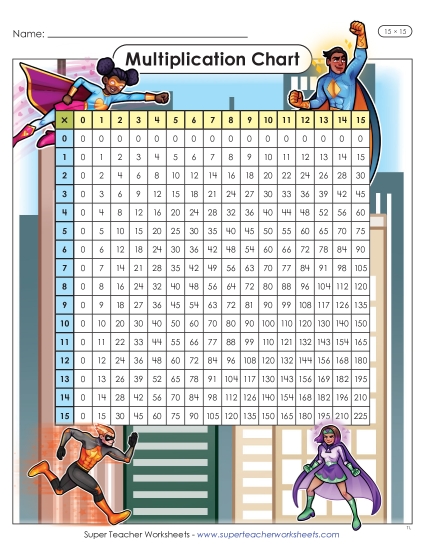
Need a reference multiplication chart to help students master multiplication facts through 15 x 15? These hero-themed times tables are ideal for desks, notebooks, or even practicing on the go!
(added September 8, 2026)
Empower your students to quickly solve multiplication questions by handing out copies of this 15 by 15 multiplication chart. Print it large to hang on a wall, or provide individual copies to each student.
(added September 8, 2026)
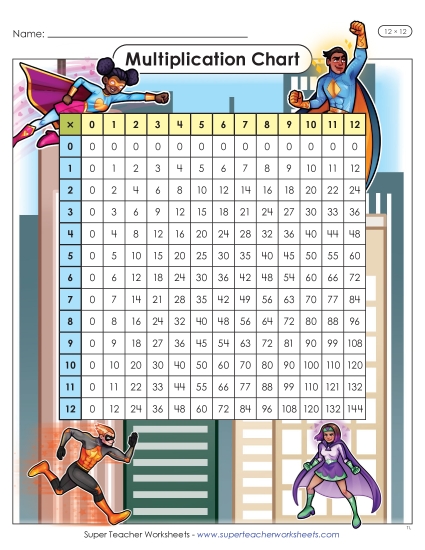
This classic 12 x 12 multiplication chart comes in eye-catching full color with heroes and heroines striking poses, making students excited for math time!
(added September 8, 2026)
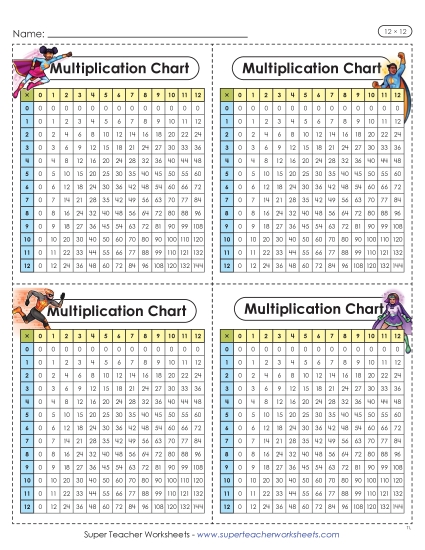
These mini multiplication tables offer quick answers to multiplication problems with factors 0-12. One of four shape-themed original superheroes adds a bit of excitement to each chart.
(added September 8, 2026)
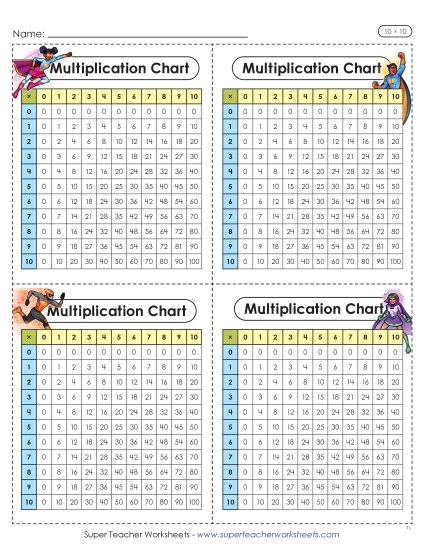
These conveniently sized small multiplication charts are perfect for taping to desks or slipping into a notebook or binder for quickly referencing after product derived from factors between 0 and 10. Each features a unique superhero.
(added September 8, 2026)
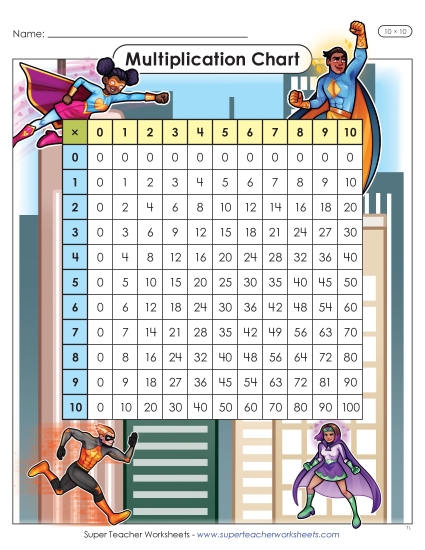
This action-packed, colored multiplication chart will have your kids eager to practice their times tables. Print one for a center or give each student a copy to reference.
(added September 4, 2026)
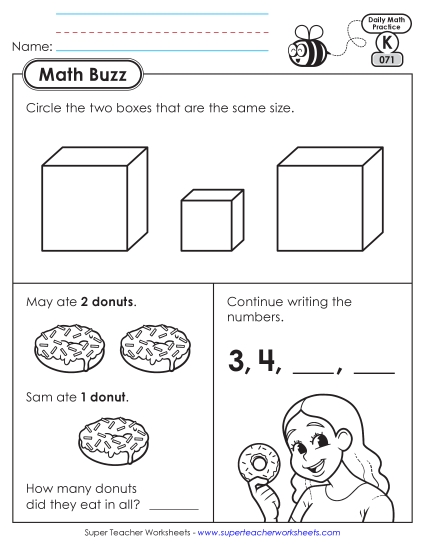
Compare the size of objects, identify which quantity or number is bigger, count objects, draw pictures to represent numbers, complete basic addition and subtraction sentences with visual aids, and more in the 15th week of kindergarten math review!
(added September 4, 2026)
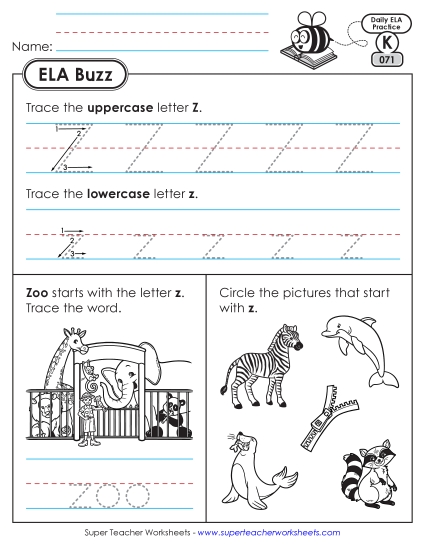
Spend a few minutes of ELA practice each day this week to master writing the letters z and w. Use phonics skills to complete words with the appropriate initial consonant sound, trace complete sentences with z- and w- words, and more!
(added September 4, 2026)
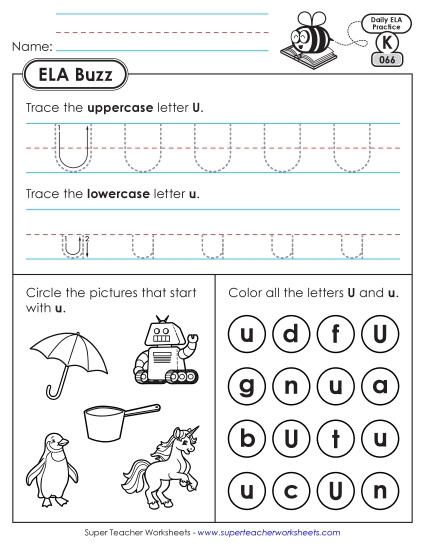
In week 14, practice identifying words that begin with short u and long u, tracing CVC words with short u, and writing words with the qu letter team (including queen, quilt, quiz, and quail.
(added September 4, 2026)
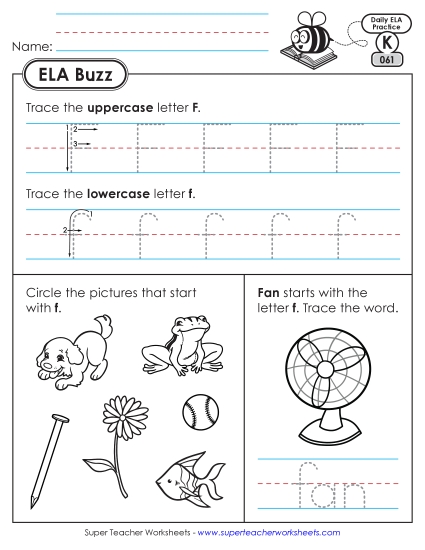
Learn about the letter f and letter j through tracing, writing, and picture identification. The targeted practice covers both the lowercase and uppercase letters.
(added September 1, 2026)
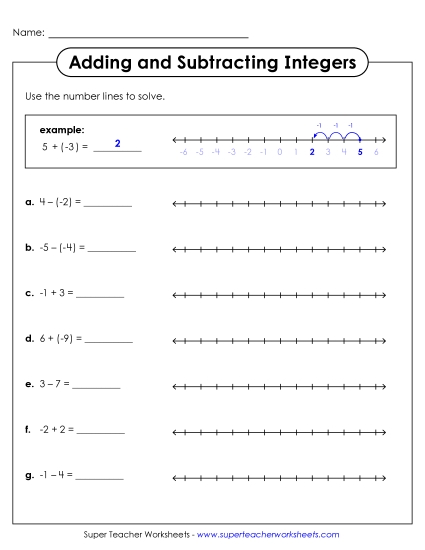
Use number lines to add and subtract positive and negative integers.
(added September 1, 2026)
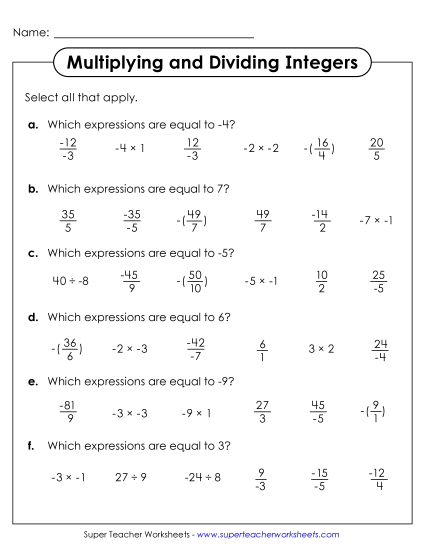
With this worksheet, students will look for expressions that are equal to particular integers and select all that apply.
(added September 1, 2026)
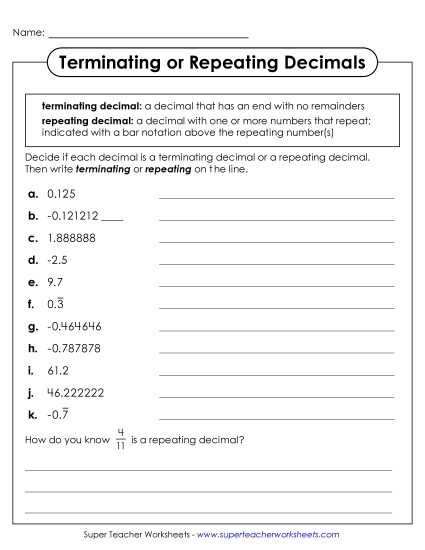
With this worksheet, students will look at different decimals and determine whether they are terminating decimals or repeating decimals.
(added September 1, 2026)
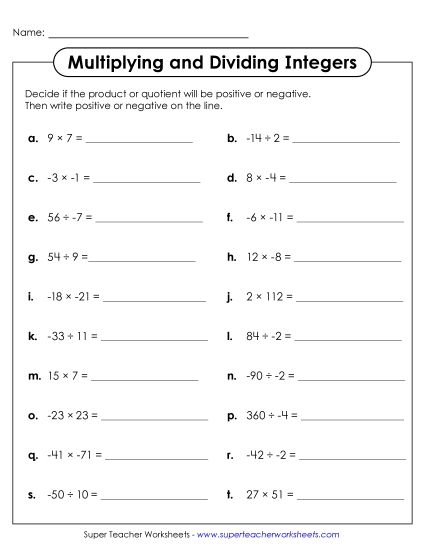
With this worksheet, students will look at expressions with integers and determine whether the products or quotients will be positive or negative.
(added September 1, 2026)
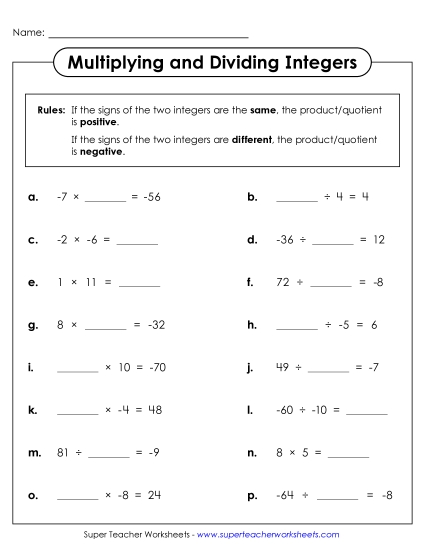
Students will need to fill in the correct integer to complete each multiplication or division equation, taking care to use a negative sign when necessary.
(added September 1, 2026)
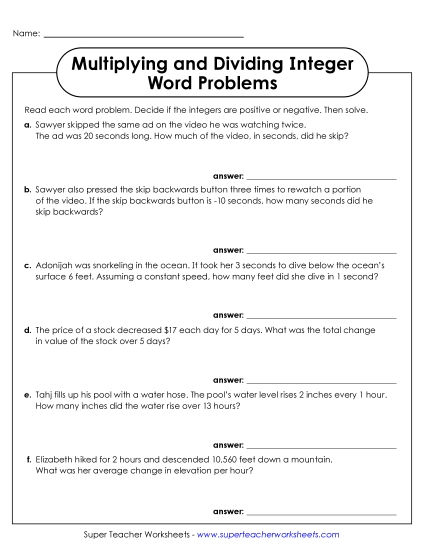
These word problems require students to decide if the integers are positive or negative before using either multiplication or division to solve them.
(added September 1, 2026)
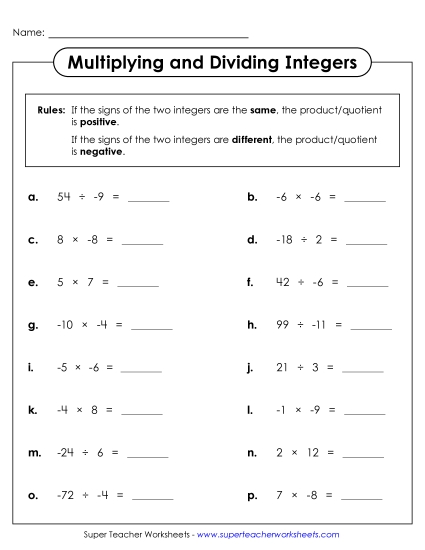
This worksheet includes a reminder of the rules about multiplying and dividing integers regarding when the answers will be positive or negative.
(added September 1, 2026)
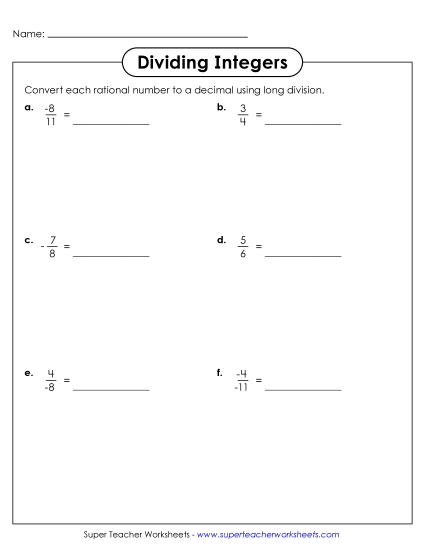
Use long division to divide the positive and negative integers on this worksheet.
(added September 1, 2026)
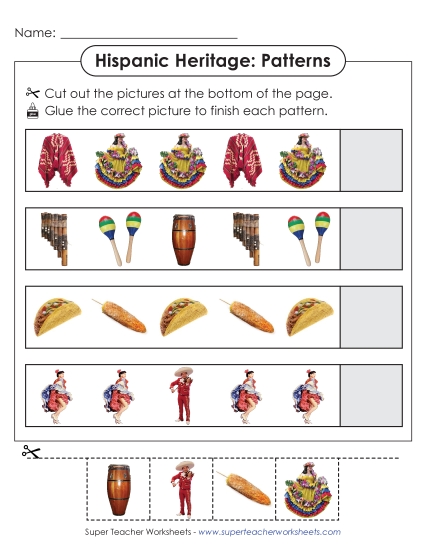
Cut and glue the images at the bottom page in the correct rows to complete the patterns. Pictures show food, clothing, instruments, and other items that are part of the cultures of various Hispanic communities.
(added September 1, 2026)
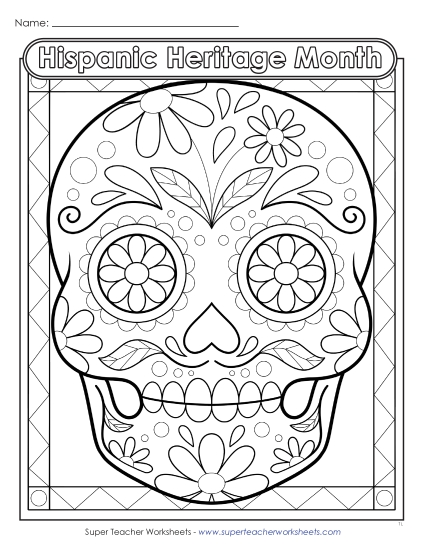
Here is another sugar skull coloring page. This one has floral and leaf designs.

(added September 1, 2026)
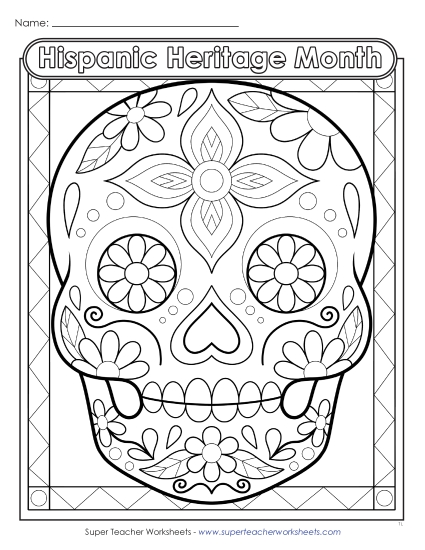
Use vibrant pencils, markers, or crayons to color in this sugar skull.
(added September 1, 2026)
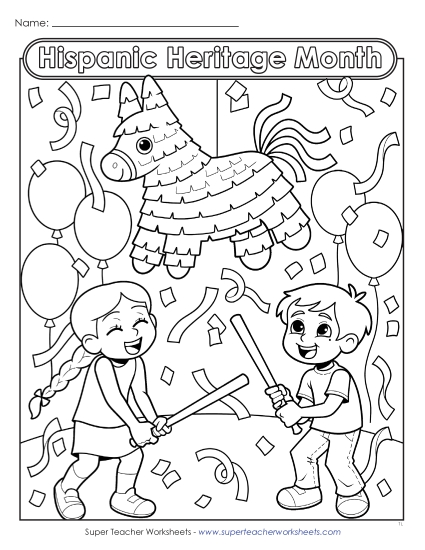
This coloring page shows students playing with a piñata in celebration of Hispanic Heritage Month.
(added September 1, 2026)
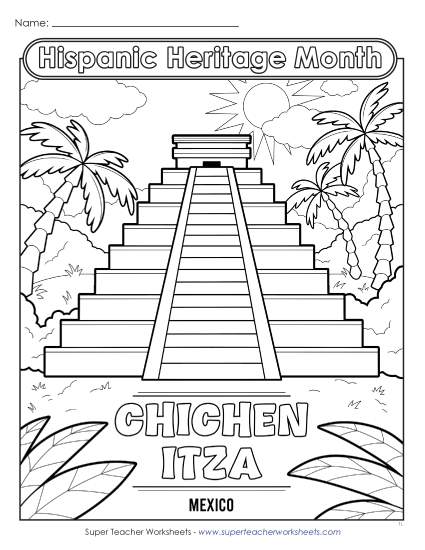
Color in this well-known site in Mexico that is home to some of the most famous Mayan Ruins.
(added September 1, 2026)
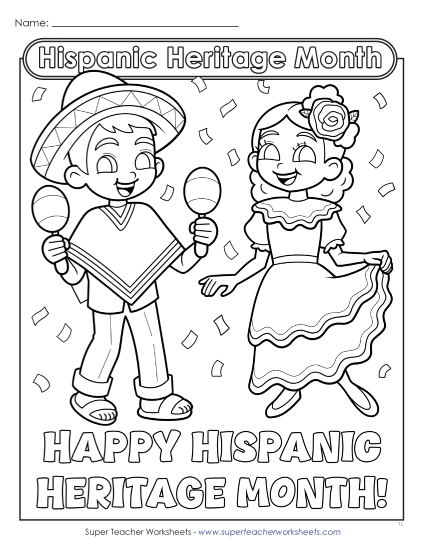
Print off this coloring page and have your students use their favorite colors to color in the children celebrating.
(added September 1, 2026)
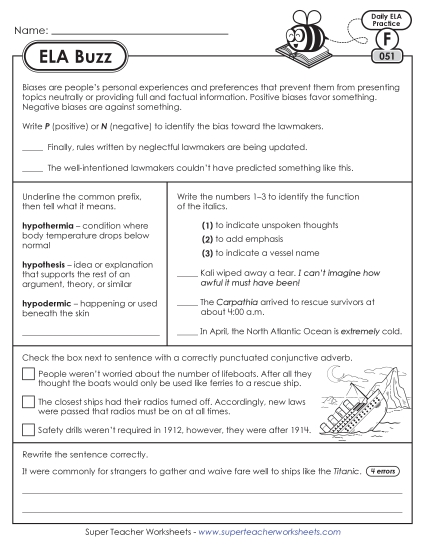
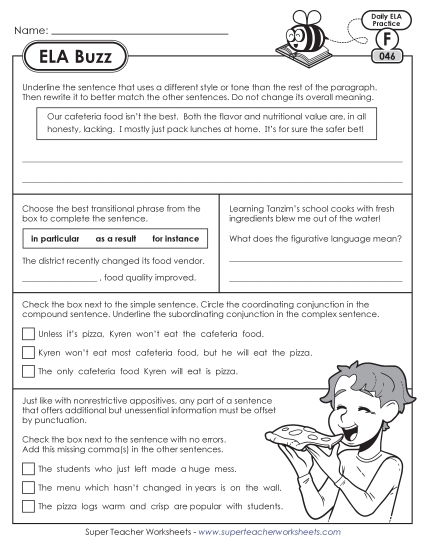
Respond to questions regarding prefixes, sentence structure, punctuation, dialogue, and much more with this week's 6th-grade ELA Buzz worksheets.
(added September 1, 2026)
Review more sixth-grade ELA skills with this week's set of daily ELA Buzz worksheets. From style and tone to coordinating conjunctions, these worksheets each cover a variety of 6th grade topics.
(added September 1, 2026)
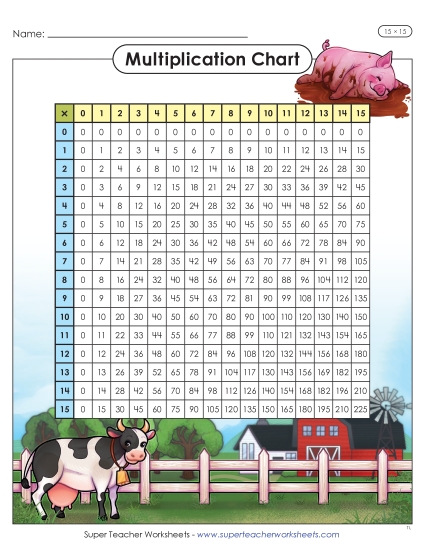
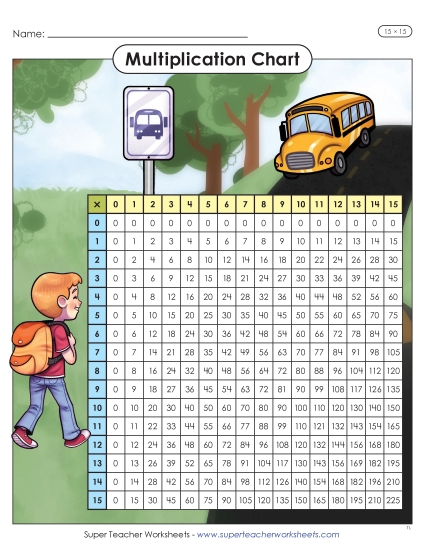
Hang this multiplication chart in your classroom or print one out for each student to reference. With factors from 0 to 15, students can memorize facts with products to 225.
(added September 1, 2026)
Memorize important math facts with this multiplication chart. Factors from 0 to 12 are included.