RL.7.1:
Reading Literature
Key Ideas and Details
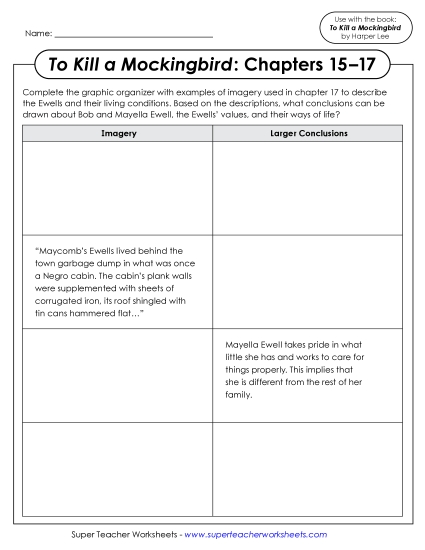
Cite several pieces of textual evidence to support analysis of what the text says explicitly as well as inferences drawn from the text.
RL.7.4:
Reading Literature
Craft and Structure
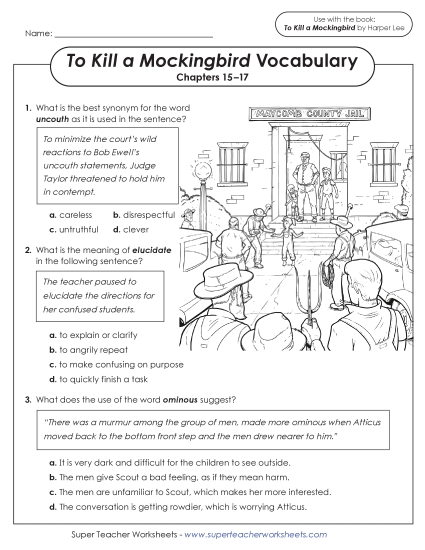
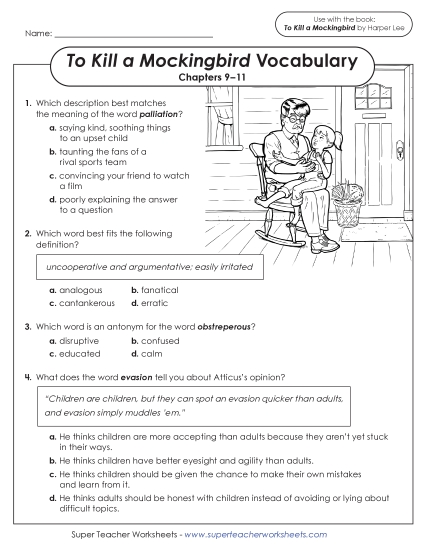
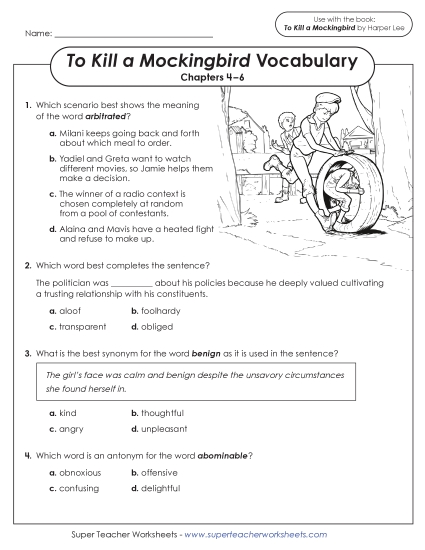
Determine the meaning of words and phrases as they are used in a text, including figurative and connotative meanings; analyze the impact of rhymes and other repetitions of sounds (e.g., alliteration) on a specific verse or stanza of a poem or section of a story or drama.
RL.7.10:
Reading Literature
Range of Reading and Level of Text Complexity
By the end of the year, read and comprehend literature, including stories, dramas, and poems, in the grades 6-8 text complexity band proficiently, with scaffolding as needed at the high end of the range.
RL.8.1:
Reading Literature
Key Ideas and Details
Cite the textual evidence that most strongly supports an analysis of what the text says explicitly as well as inferences drawn from the text.
RL.8.3:
Reading Literature
Key Ideas and Details
Analyze how particular lines of dialogue or incidents in a story or drama propel the action, reveal aspects of a character, or provoke a decision.
RL.8.4:
Reading Literature
Craft and Structure
Determine the meaning of words and phrases as they are used in a text, including figurative and connotative meanings; analyze the impact of specific word choices on meaning and tone, including analogies or allusions to other texts.
RL.8.10:
Reading Literature
Range of Reading and Level of Text Complexity
By the end of the year, read and comprehend literature, including stories, dramas, and poems, at the high end of grades 6-8 text complexity band independently and proficiently.
RL.9-10.1:
Reading Literature
Key Ideas and Details
Cite strong and thorough textual evidence to support analysis of what the text says explicitly as well as inferences drawn from the text.
RL.9-10.4:
Reading Literature
Craft and Structure
Determine the meaning of words and phrases as they are used in the text, including figurative and connotative meanings; analyze the cumulative impact of specific word choices on meaning and tone (e.g., how the language evokes a sense of time and place; how it sets a formal or informal tone).
RL.9-10.10:
Reading Literature
Range of Reading and Level of Text Complexity
By the end of grade 9, read and comprehend literature, including stories, dramas, and poems, in the grades 9-10 text complexity band proficiently, with scaffolding as needed at the high end of the range.