RL.7.1:
Reading Literature
Key Ideas and Details
Cite several pieces of textual evidence to support analysis of what the text says explicitly as well as inferences drawn from the text.
RL.7.3:
Reading Literature
Key Ideas and Details
Analyze how particular elements of a story or drama interact (e.g., how setting shapes the characters or plot).
RL.7.10:
Reading Literature
Range of Reading and Level of Text Complexity
By the end of the year, read and comprehend literature, including stories, dramas, and poems, in the grades 6-8 text complexity band proficiently, with scaffolding as needed at the high end of the range.
W.7.2:
Writing
Text Types and Purposes
Write informative/explanatory texts to examine a topic and convey ideas, concepts, and information through the selection, organization, and analysis of relevant content.
W.7.4:
Writing
Production and Distribution of Writing
Produce clear and coherent writing in which the development, organization, and style are appropriate to task, purpose, and audience. (Grade-specific expectations for writing types are defined in standards 1-3 above.)
W.7.10:
Writing
Range of Writing
Write routinely over extended time frames (time for research, reflection, and revision) and shorter time frames (a single sitting or a day or two) for a range of discipline-specific tasks, purposes, and audiences.
RL.8.3:
Reading Literature
Key Ideas and Details
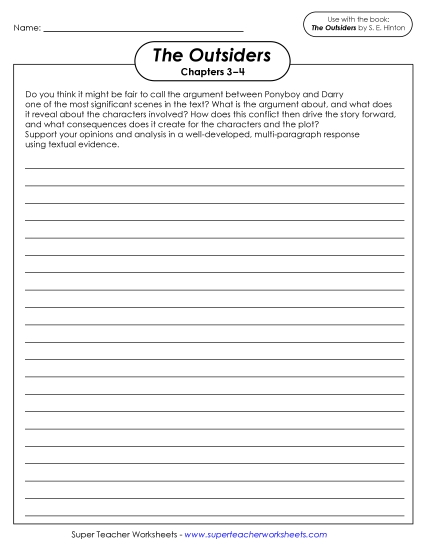
Analyze how particular lines of dialogue or incidents in a story or drama propel the action, reveal aspects of a character, or provoke a decision.
RL.8.10:
Reading Literature
Range of Reading and Level of Text Complexity
By the end of the year, read and comprehend literature, including stories, dramas, and poems, at the high end of grades 6-8 text complexity band independently and proficiently.
W.8.2:
Writing
Text Types and Purposes
Write informative/explanatory texts to examine a topic and convey ideas, concepts, and information through the selection, organization, and analysis of relevant content.
W.8.4:
Writing
Production and Distribution of Writing
Produce clear and coherent writing in which the development, organization, and style are appropriate to task, purpose, and audience. (Grade-specific expectations for writing types are defined in standards 1-3 above.)
W.8.10:
Writing
Range of Writing
Write routinely over extended time frames (time for research, reflection, and revision) and shorter time frames (a single sitting or a day or two) for a range of discipline-specific tasks, purposes, and audiences.
RL.9-10.1:
Reading Literature
Key Ideas and Details
Cite strong and thorough textual evidence to support analysis of what the text says explicitly as well as inferences drawn from the text.
RL.9-10.3:
Reading Literature
Key Ideas and Details
Analyze how complex characters (e.g., those with multiple or conflicting motivations) develop over the course of a text, interact with other characters, and advance the plot or develop the theme.
RL.9-10.5:
Reading Literature
Craft and Structure
Analyze how an author's choices concerning how to structure a text, order events within it (e.g., parallel plots), and manipulate time (e.g., pacing, flashbacks) create such effects as mystery, tension, or surprise.
RL.9-10.10:
Reading Literature
Range of Reading and Level of Text Complexity
By the end of grade 9, read and comprehend literature, including stories, dramas, and poems, in the grades 9-10 text complexity band proficiently, with scaffolding as needed at the high end of the range.
W.9-10.2:
Writing
Text Types and Purposes
Write informative/explanatory texts to examine and convey complex ideas, concepts, and information clearly and accurately through the effective selection, organization, and analysis of content.
W.9-10.4:
Writing
Production and Distribution of Writing
Produce clear and coherent writing in which the development, organization, and style are appropriate to task, purpose, and audience. (Grade-specific expectations for writing types are defined in standards 1-3 above.)
W.9-10.10:
Writing
Range of Writing
Write routinely over extended time frames (time for research, reflection, and revision) and shorter time frames (a single sitting or a day or two) for a range of tasks, purposes, and audiences.

 Back
Back