

Toward the end of the school year, both students and teachers look forward to summer break. It’s a time to relax and refresh from the early mornings, busy schedules, homework, and daily routines of school. Summer provides children with opportunities to spend time outside, travel, explore hobbies, and simply enjoy being kids.
However, summer can also lead to learning loss, often called the “summer slide.” Months away from academic practice can cause students to forget important reading, writing, and math skills they worked hard to build throughout the school year. The good news is that summer learning does not need to feel like school! Small, meaningful activities can help students continue practicing important skills while still enjoying their summer vacation. Below are some simple suggestions teachers can share with parents to help keep learning going all summer long.
Reading is one of the easiest and most effective ways to prevent summer learning loss. Even just 15–20 minutes of reading each day can help students maintain fluency, vocabulary, and comprehension skills. Encourage families to make reading fun and interactive rather than turning it into another assignment.
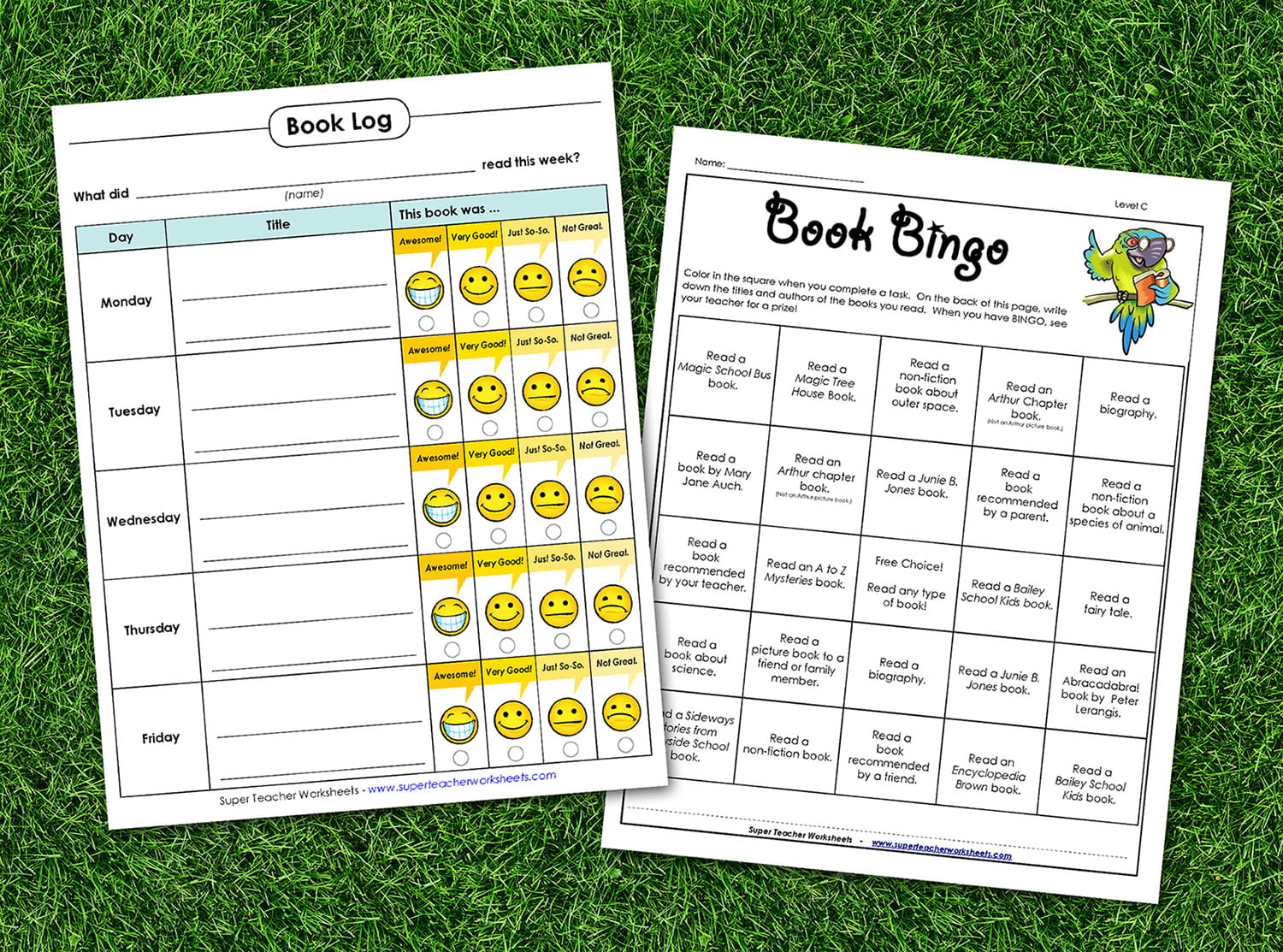
Use reading logs to track books and celebrate progress. Check out some different reading log options on this Super Teacher Worksheets page.
Complete summer reading bingo boards with different reading challenges. Take a look through some of these reading bingo boards, or create one of your own!
Take weekly trips to the library! Look into programs your local library offers. Many libraries offer fun reading challenges!
Listen to audiobooks during car rides or quiet time.
When students have choice and variety, they are more likely to stay motivated and excited about reading. Summer is the perfect time to give them more freedom to choose texts that interest them!
Math practice can happen naturally during daily summer activities. Real-world math helps children see that math is useful beyond the classroom and gives them opportunities to practice skills in meaningful ways.

Follow a simple cooking recipe. This doubles as reading practice for older kids! For younger kids, try using a recipe that has pictures of the ingredients and steps for them to follow along with.
Challenge kids by having them double or halve a recipe to practice multiplication and fractions.
Plant a garden and measure rows or spacing. You can even measure the plants and keep track of their growth!
Practice making arrays with objects like flowers, rocks, or snacks.
Grab a piece of chalk and have your kids create a number line. Then have them jump along the number line to practice skip counting. For example, they can try to jump by twos, threes, fives, and even tens.
Count change or keep track of the budget while grocery shopping.
These simple activities strengthen number sense, problem-solving, and critical thinking skills while keeping learning hands-on and engaging.
Many schools encourage the use of summer learning packets or review activities for students to complete throughout the break. Super Teacher Worksheets summer packets can be a helpful way for students to review skills they learned during the school year while preparing for the next grade level. These packets are even accompanied by a fun sticker chart to keep track of progress.
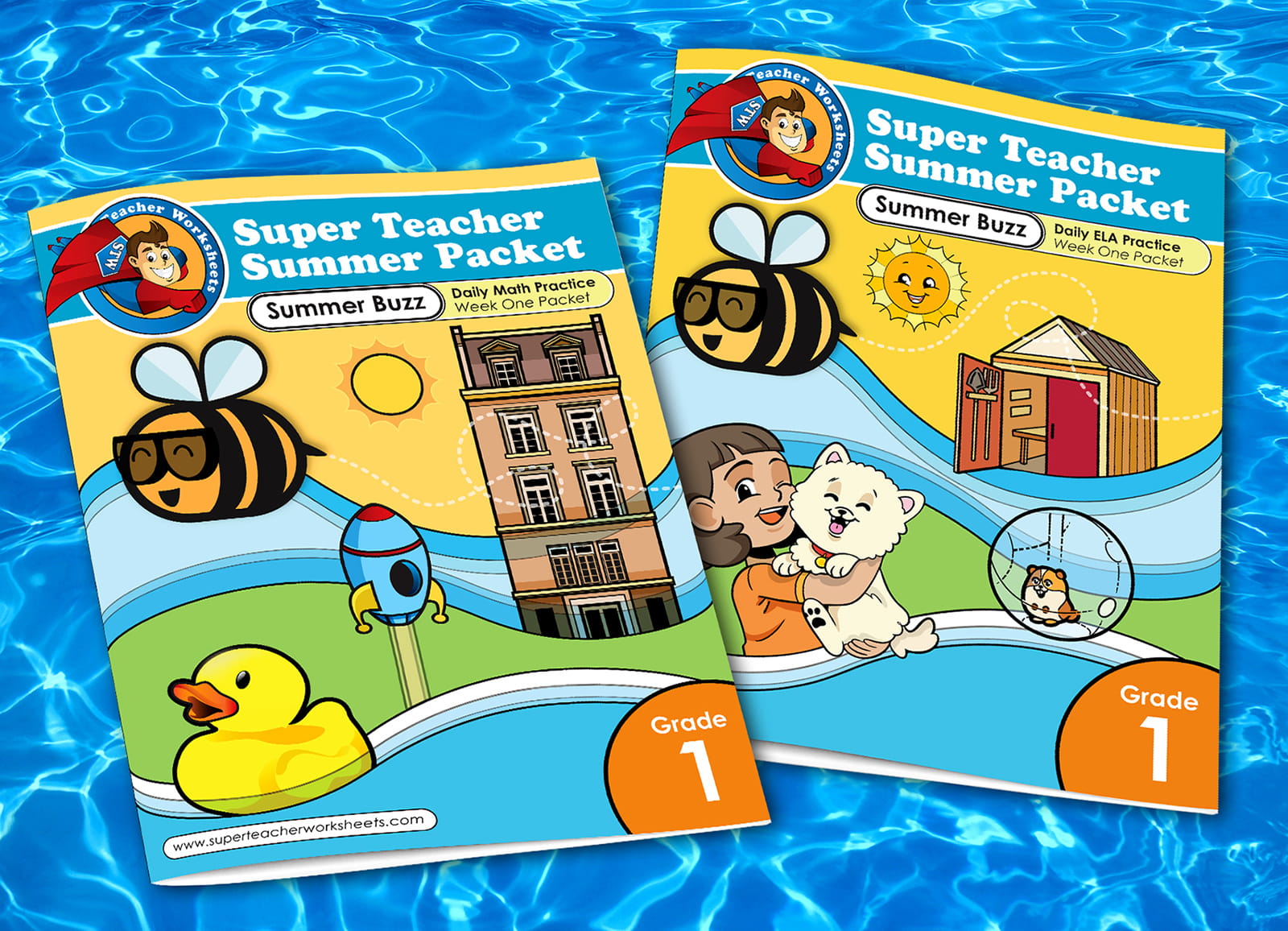
To avoid overwhelming children, encourage families to:
Complete a little at a time instead of all at once.
Create a simple weekly routine for practice.
Mix academic activities with outdoor play and creativity.
Celebrate effort and progress rather than perfection.
Summer learning should feel manageable and flexible, not stressful.
The goal of summer learning is not to recreate the classroom at home. Instead, it is about helping students stay curious, confident, and engaged with the world around them. Whether students are reading under a tree, helping cook dinner, exploring nature, or completing a quick practice page, small moments of learning can make a big difference when they return to school in the fall.

By encouraging fun, consistent learning opportunities throughout the summer, teachers and families can work together to help students maintain important skills while still enjoying a well-deserved break.


