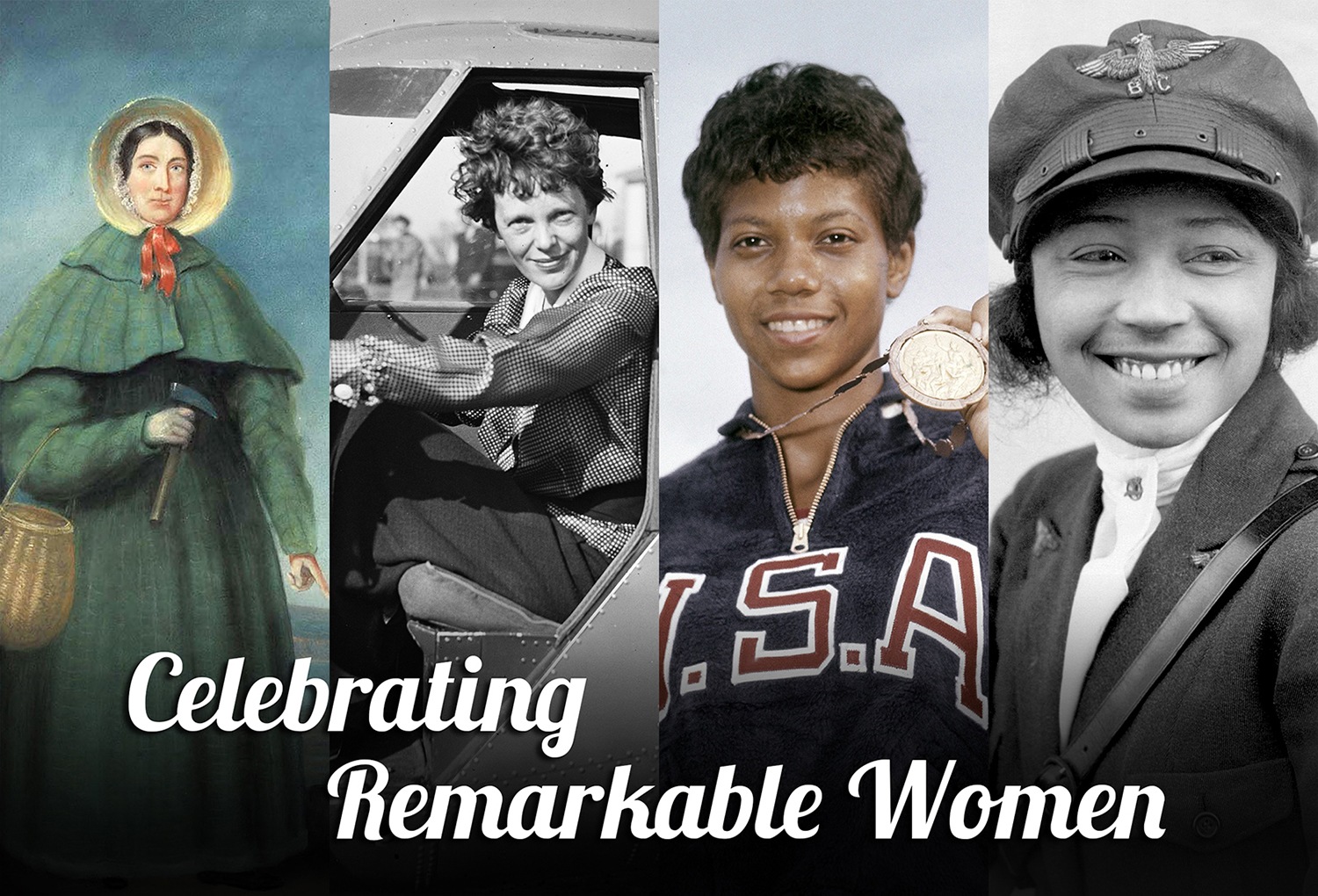
Every March, we celebrate Women’s History Month. It is a time to honor the achievements, resilience, and lasting impact of women throughout history. From groundbreaking scientists to fearless activists, women have shaped our world in powerful ways. During the month of March we are invited to reflect on their stories, recognize their contributions, and inspire the next generation.
Take the opportunity this month to read about some influential women using articles from Super Teacher Worksheets. Then invite your little learners to participate in engaging activities that encompass reading, math, and science. Check out some ideas below!
Mary Anning: Fossil Hunter
Materials Needed:
copies of this short reading comprehension passage about Mary Anning
playdough
leaves, grass, and/or flowers collected from outside
First, invite your students to learn more about Mary Anning by reading the short reading passage provided on STW. There is also a great picture book called Dinosaur Lady by Linda Skeers. After learning about Anning's accomplishments as a fossil hunter, invite students to make their own "fossils."
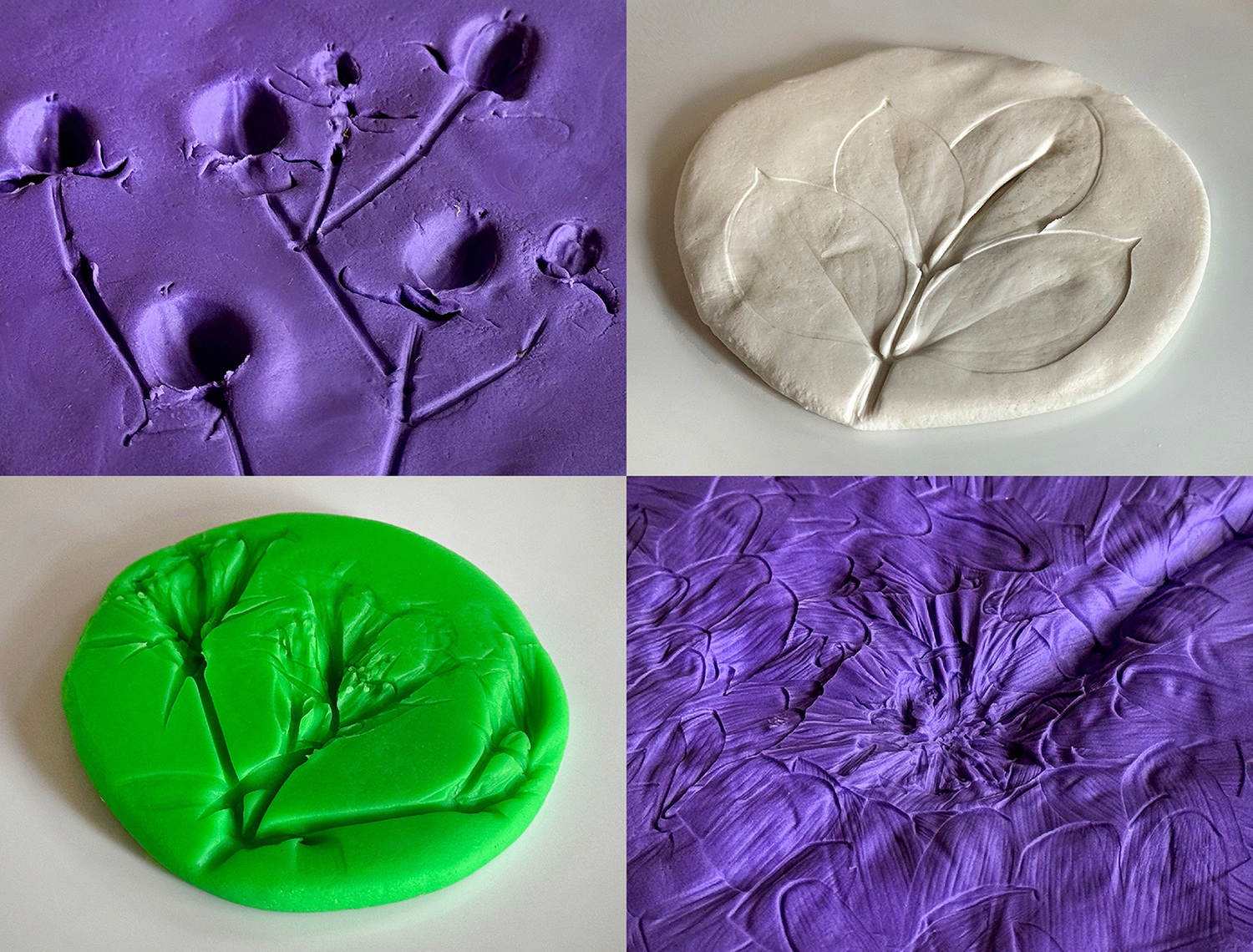
Give each student a small amount of playdough. They can press it into a flat circle. Then they can press leaves, grass, and/or flowers into the dough. Once they remove the items, your students can see the imprints left by each. Invite students to study their "fossils," and write down what they notice.
Bessie Coleman and Amelia Earhart: Women of the Air
Materials Needed:
copies of these two reading comprehension passages:
blank paper
rulers, yardsticks, or measuring tapes
After reading about both Bessie Coleman and Amelia Earhart, have students fill out a Venn diagram comparing and contrasting these two women pilots. You will find they have a lot in common! This would be a great small group activity, encouraging students to have conversations and work together to complete the Venn diagram.
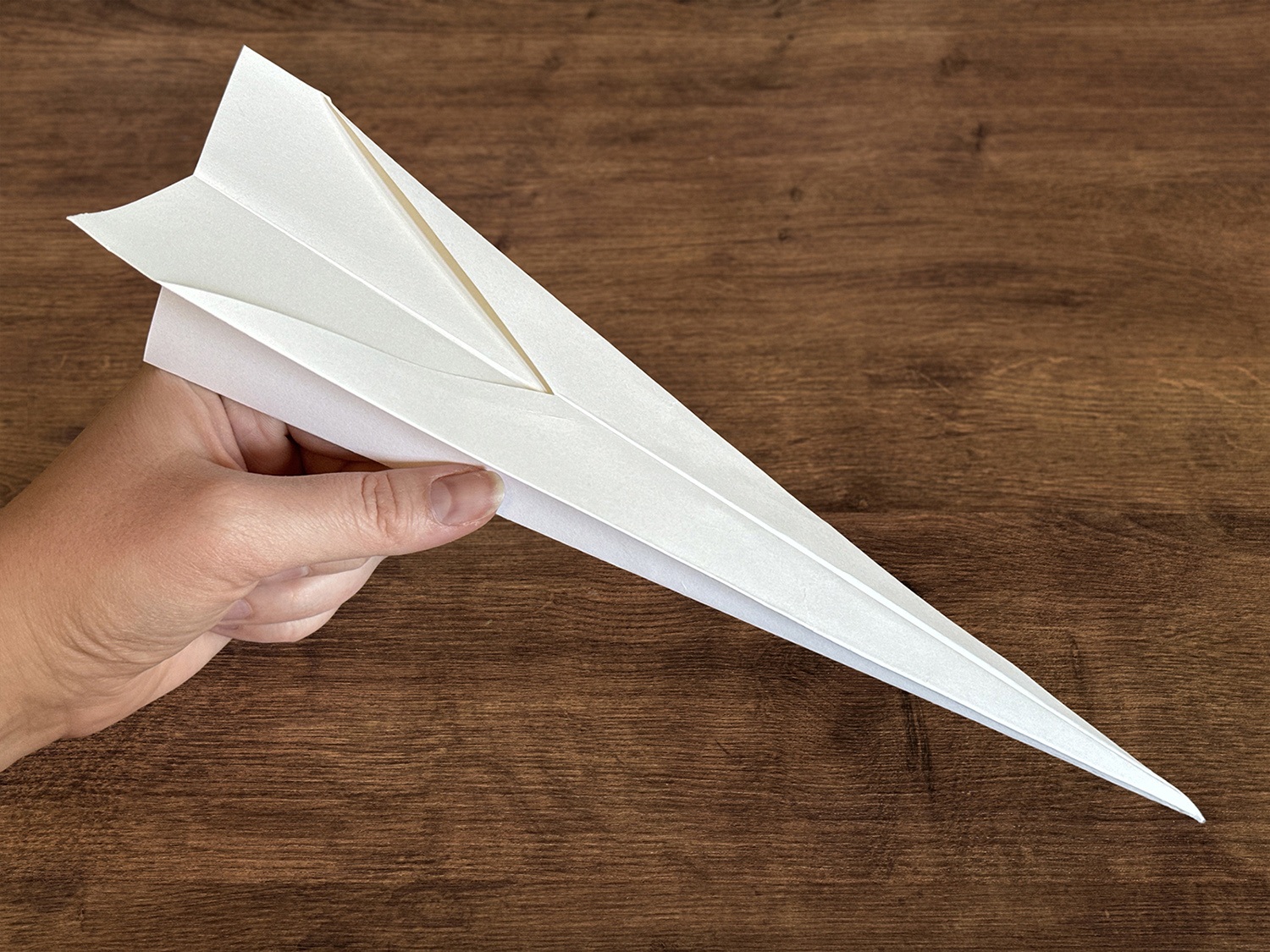
Next, give each student or each group a piece of paper. Have them fold the paper to make a paper airplane. You can look up video tutorials for paper airplanes online to show your students. Once the airplanes are complete, your learners will have fun throwing their airplanes and measuring the distance. You may wish to clear a spot in your classroom, go out in the hallway, or even do this part outside if the weather permits.
Now you can collect some data and practice completing a bar graph! Label the x-axis with either “Throw Number” or “Student Who Threw.” You can decide whether each student or group will throw multiple times to create their own graphs, or whether each student or group will throw once and graph the data from the whole class. Then decide on the units of measurement as a class and label the y-axis. Finally, have students measure each throw and record it on the bar graph.
Wilma Rudolph: An Olympic Track and Field Star
Materials Needed:
copies of this short reading comprehension passage about Wilma Rudolph
stopwatches
paper and pencils for recording
cones to mark a start line and a finish line
Learn more about the track and field star Wilma Rudolph by reading the short reading comprehension passage linked above. You might even wish to show your students some clips you can find online from Wilma Rudolph's races. Then take your students either outside or to a place where they can run.
Mark off a start line and a finish line using cones. You might want to measure out 100, 200, or 400 meters so students can compare their times with Rudolph's. Have students race each other while recording race times using a stopwatch. After every student has a chance to race, analyze the race data using different kinds of math skills. Students can put the times in order from least to greatest. They can even find the mean, median, and mode of the race data. You could even have students create a bar graph or line graph to display the data.

—--------------------------------------------------------------------
Check out the Women's History Month page on Super Teacher Worksheets for more articles on amazing women who have impacted history!


