
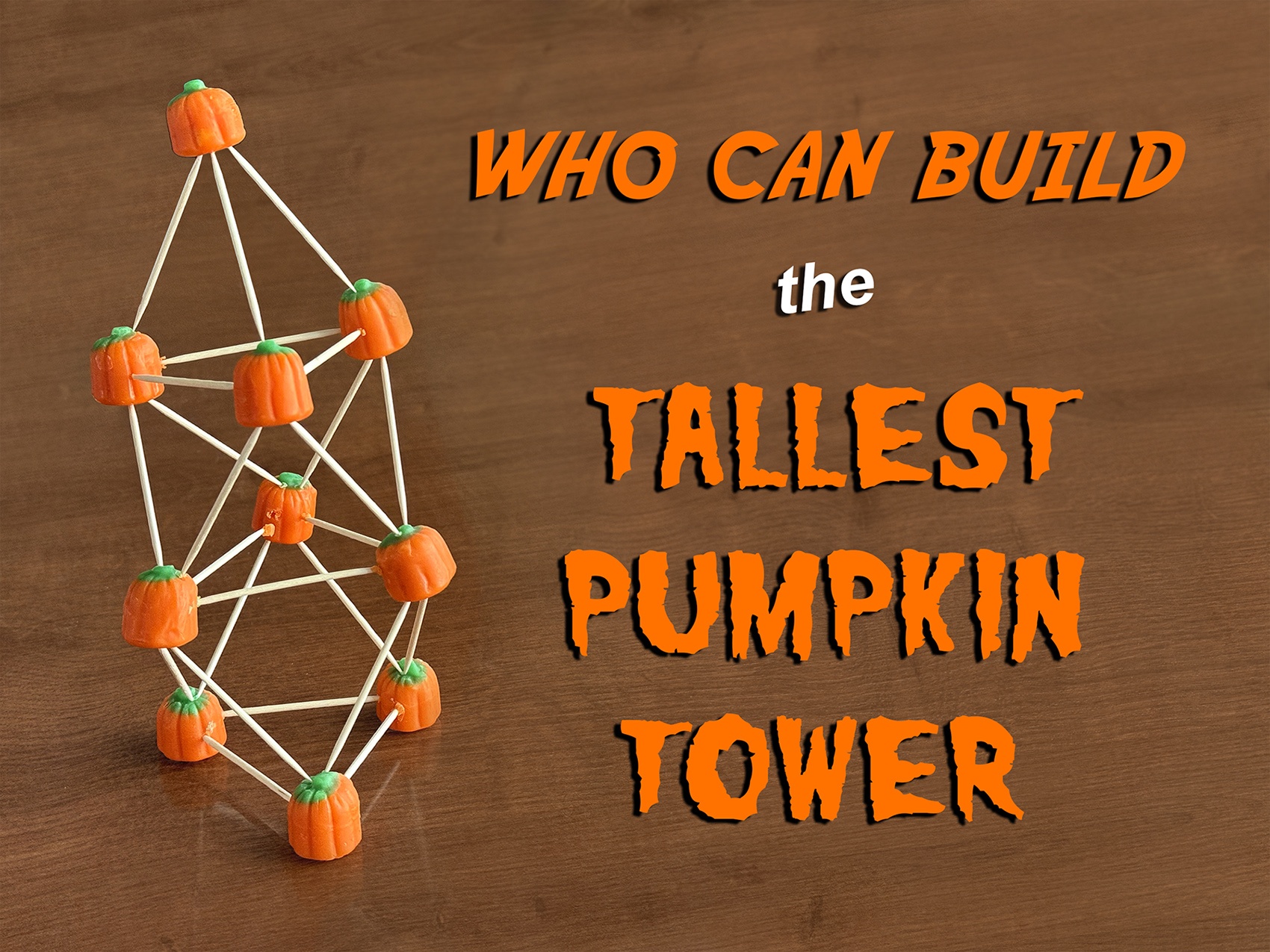
Embrace pumpkin season in your classroom with a fun and festive STEM challenge! This pumpkin tower challenge encourages students to work together, think creatively, and practice problem-solving skills as they attempt to build the tallest free-standing tower possible. This hands-on activity is perfect for fall, Halloween, or any time you want to add a little seasonal fun to your STEM lessons.
toothpicks
pumpkin candies (mini marshmallows would also work and could be called "ghosts")
measuring tape or a ruler
timer (optional)
blank paper and pencils (optional)
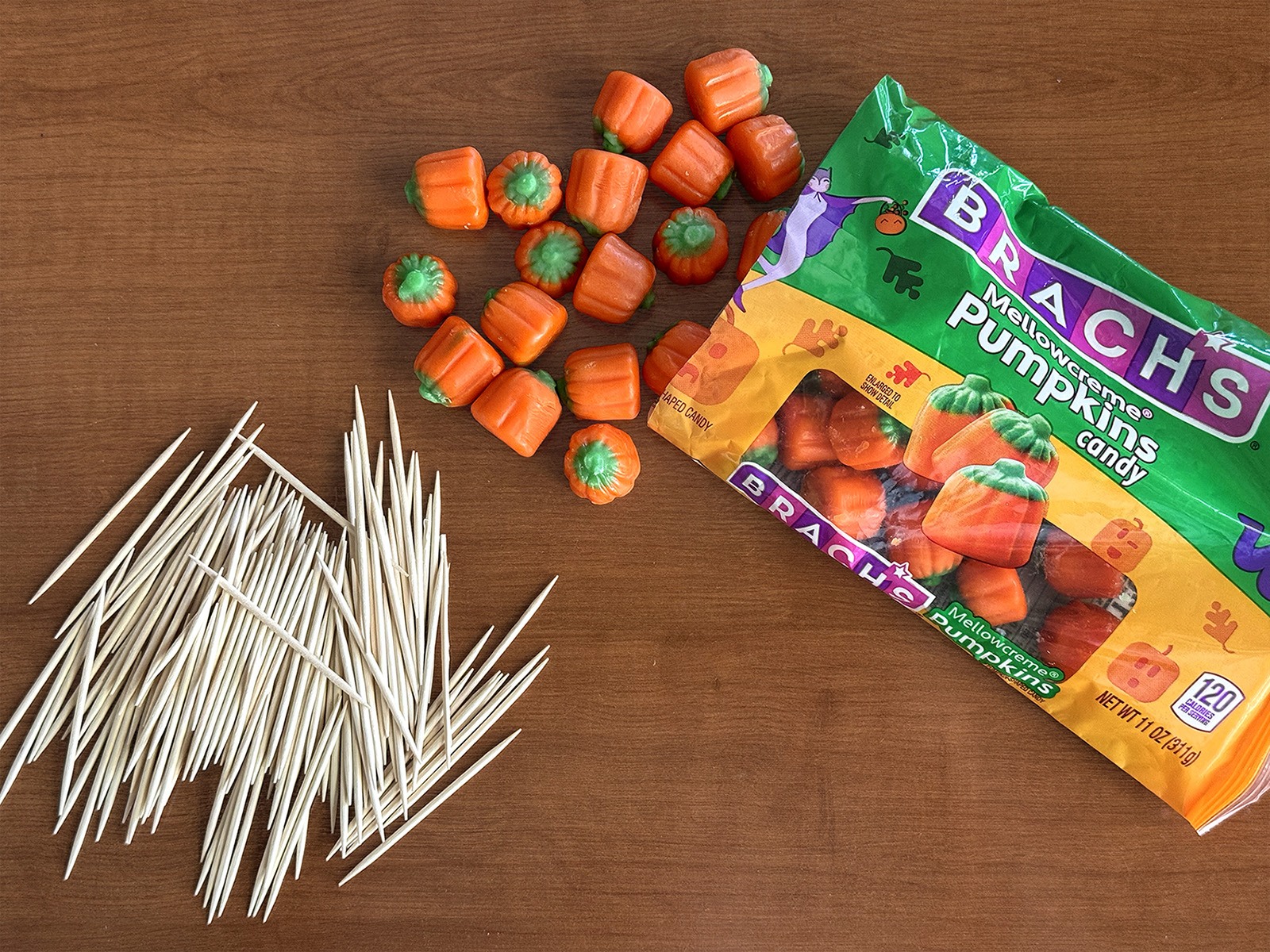
First, split students into groups of about 3–5 kids. You may choose to randomly assign groups or strategically make groups based on students who work well together.
Encourage students to give everyone on their team a job. For example, one student could be the builder, another could keep track of the materials, and another could measure the tower. Students can switch jobs throughout the challenge so everyone has a chance to participate.
In this STEM challenge, groups will try to build the tallest free-standing tower using only toothpicks and pumpkin candies.
Explain that the tower must be able to stand on its own without anyone or anything holding it. Students will need to think carefully about how they connect the toothpicks and candies to create a structure that is both tall and stable.
You can give each group the same number of toothpicks and candies to make the challenge fair.
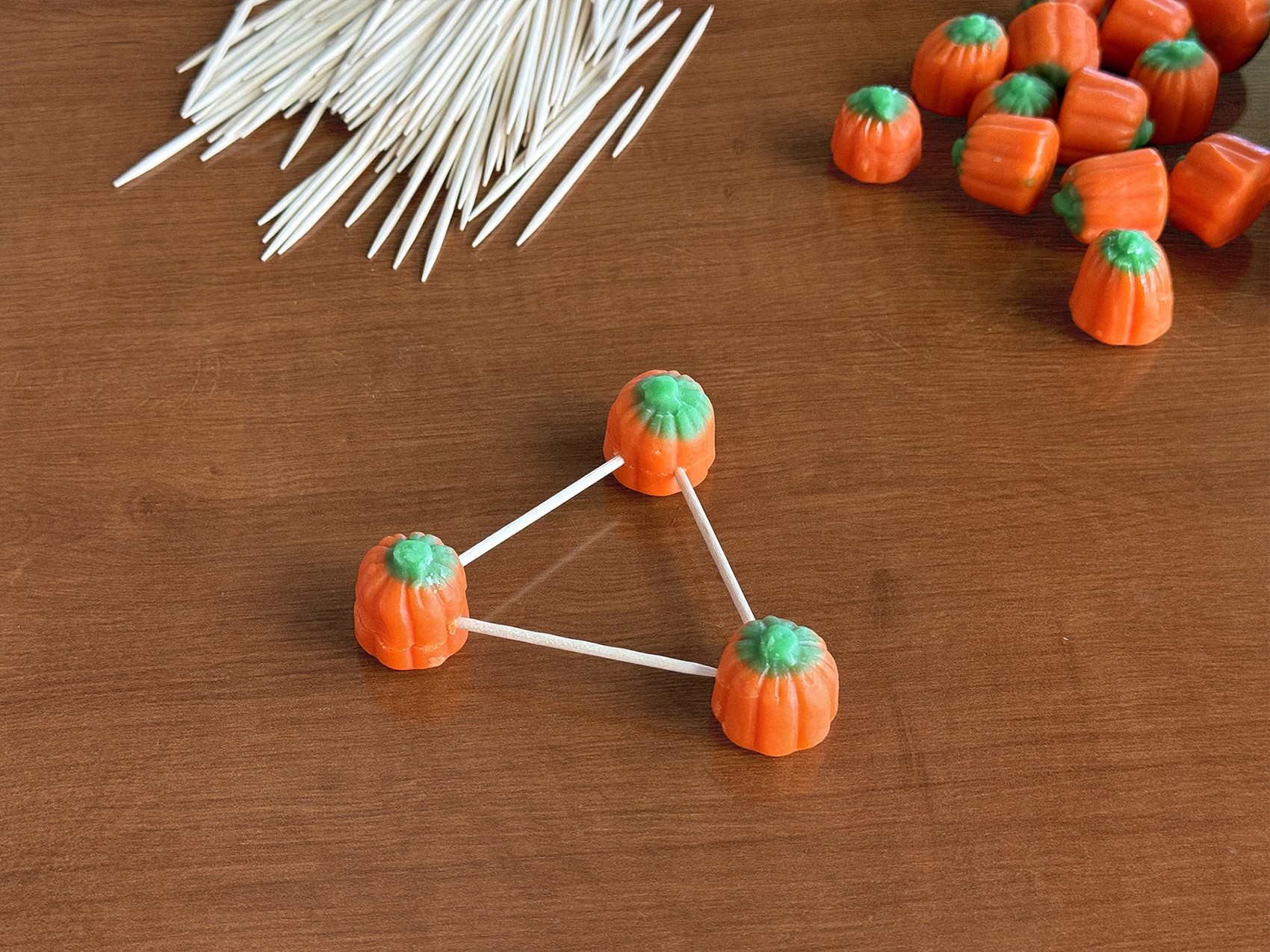
Before students begin building, give them a few minutes to sketch their ideas.
Ask them to think about the following questions:
What shape will make their tower strong?
How wide should the base be?
How can they make their tower taller without making it fall?
Remind students that their first idea doesn't have to be their final idea. Engineers often test, change, and improve their designs!
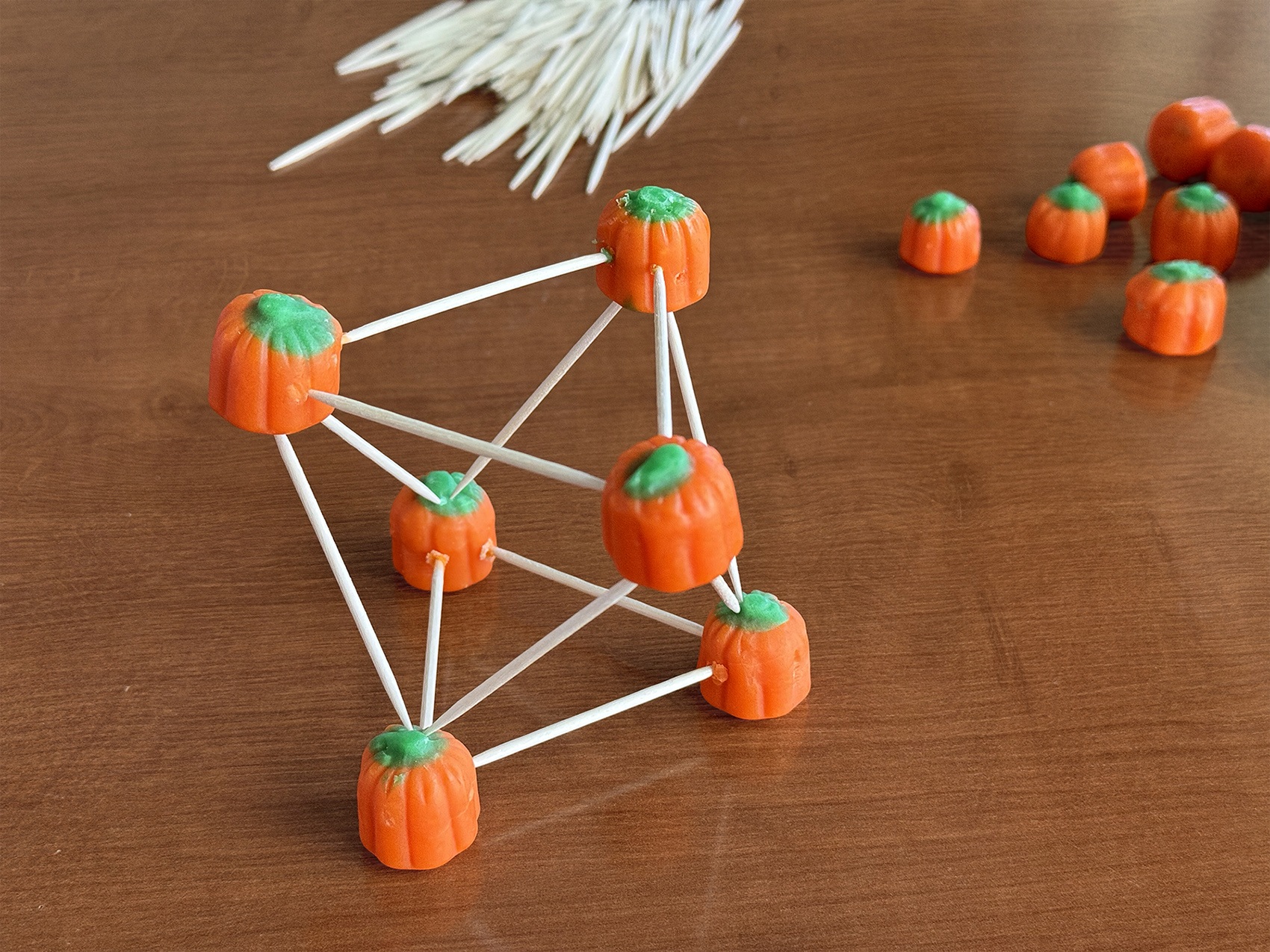
Now it's time to build!
Give students a set amount of time, such as 10 to 15 minutes, to construct their towers. As they work, walk around the room and ask questions rather than giving students solutions.
Try asking questions like:
What is working well with your design?
What part of your tower is the strongest?
What could you change if your tower keeps falling?
Encourage students to test their ideas, make changes, and try again.
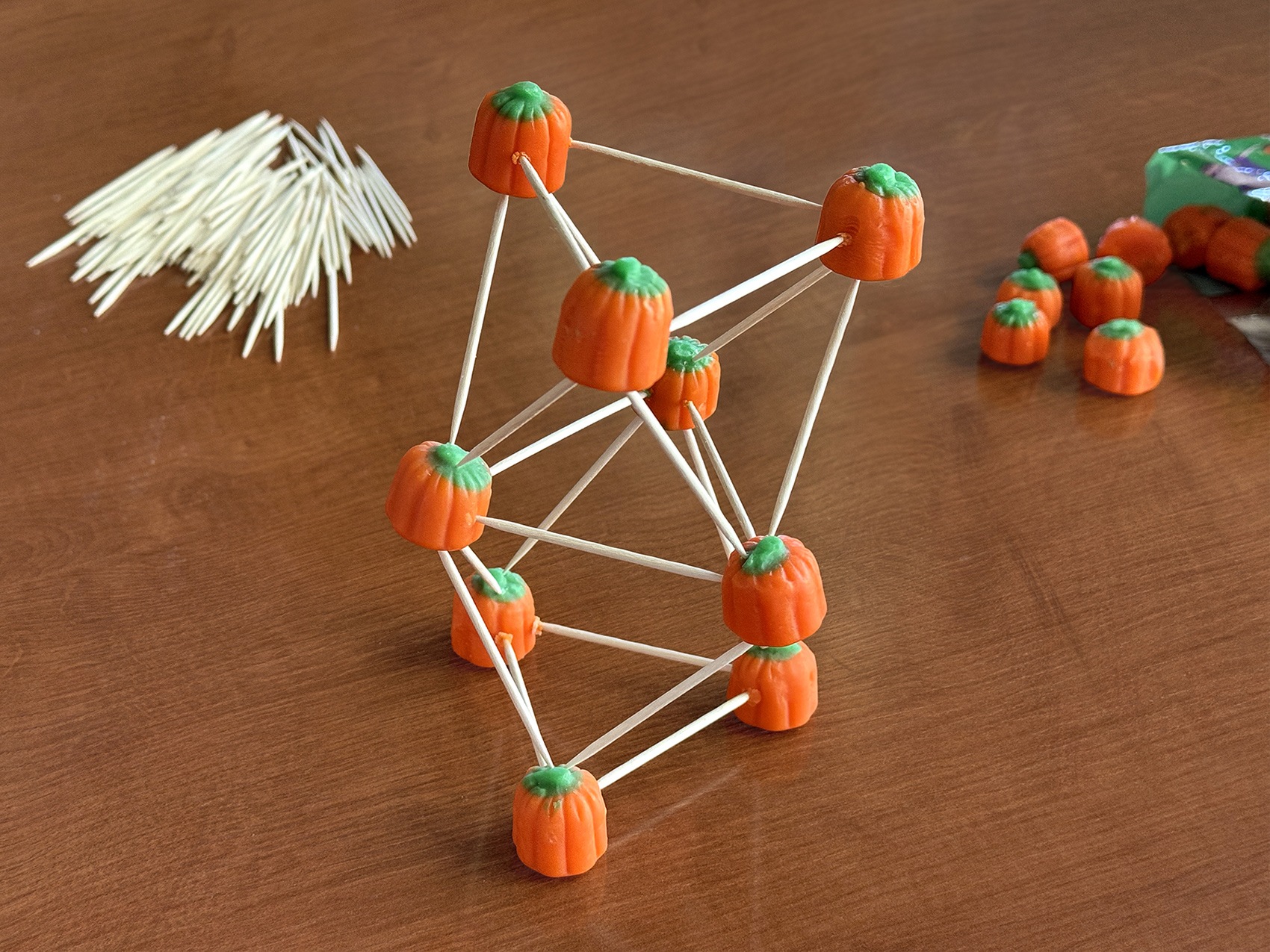
When time is up, have everyone step away from their creations. Measure each tower from the bottom of the base to the highest point. Record the measurements so students can compare their designs.
You could create a simple classroom chart with each team's tower height. This adds a math component to the activity and gives students an opportunity to compare measurements. You could use either this vertical template or this horizontal template from Super Teacher Worksheets to create a bar graph showing the different heights.
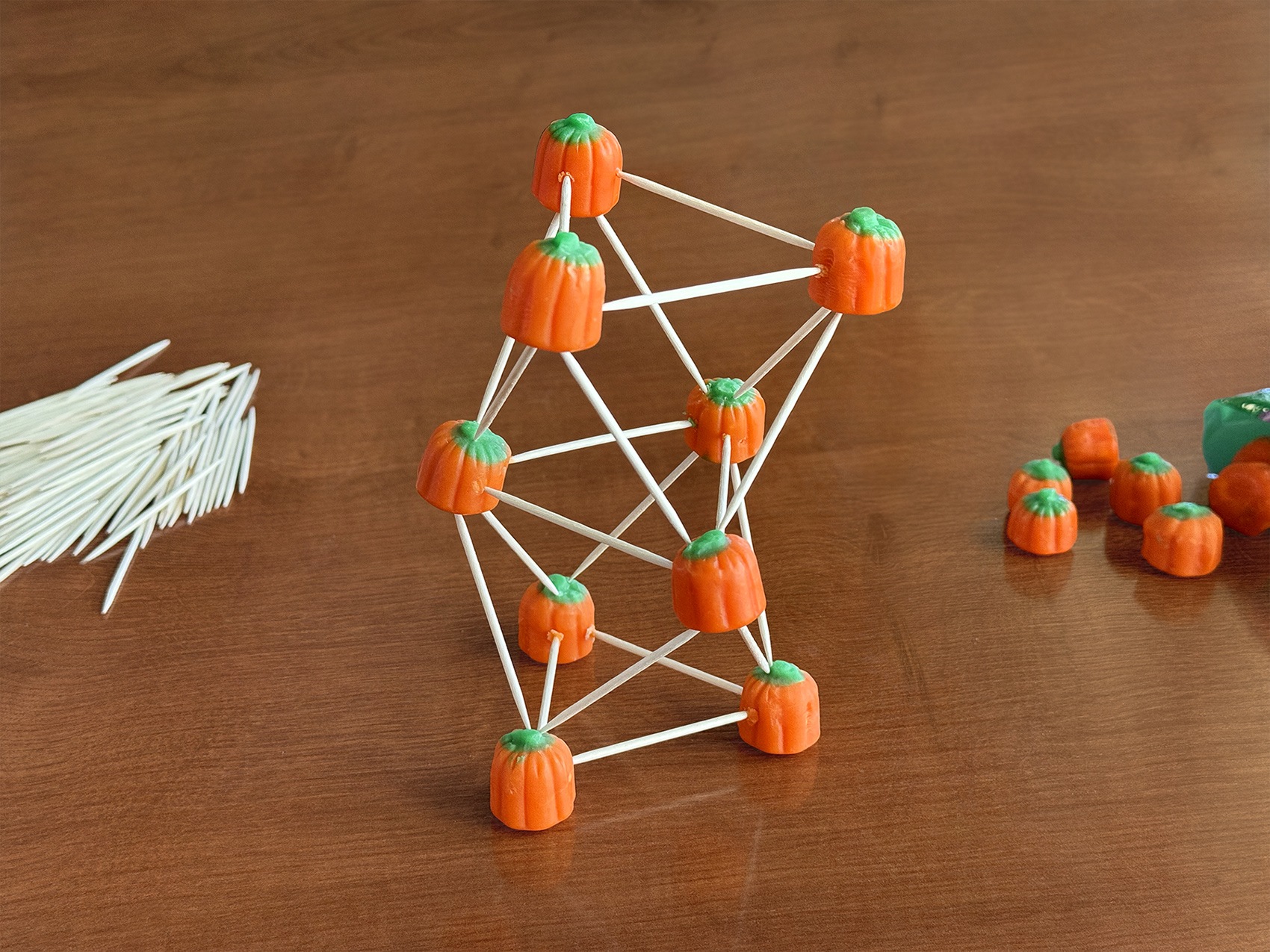
After measuring the towers, have students talk about their experience with their teams.
Ask:
What part of your design worked best?
What was the biggest challenge?
Did your original plan change? Why?
What would you do differently if you could try again?
How did your team work together?
Remind students that in STEM, a design that doesn't work the first time isn't necessarily a failure. Testing, redesigning, and learning from mistakes are important parts of the engineering process.
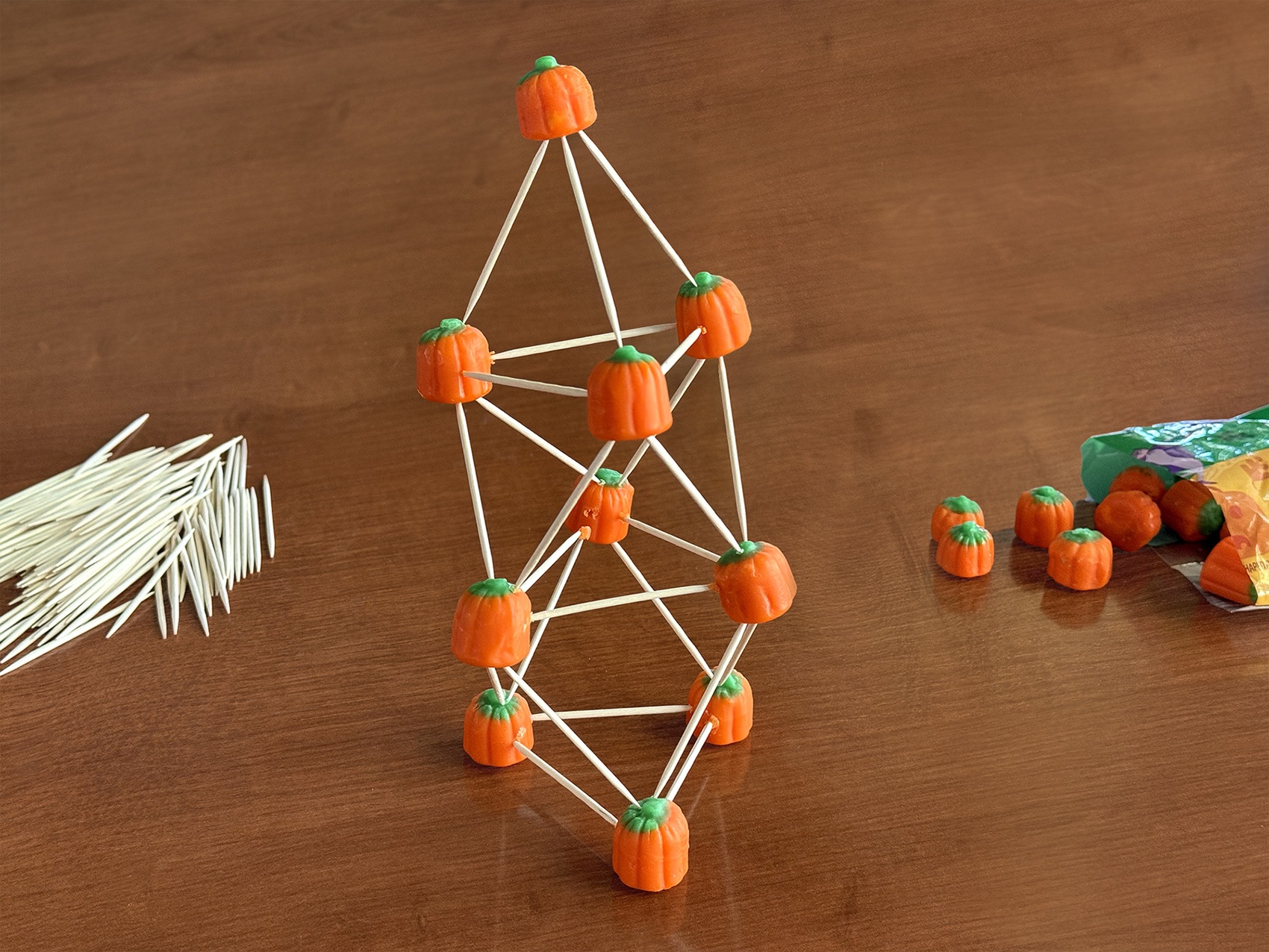
The Pumpkin Tower challenge is an easy, low-prep way to bring STEM into your classroom while celebrating the fall season. Students get to build, experiment, problem-solve, and work together—and if a few pumpkin candies mysteriously disappear during the activity, you may just have to blame the engineers!


